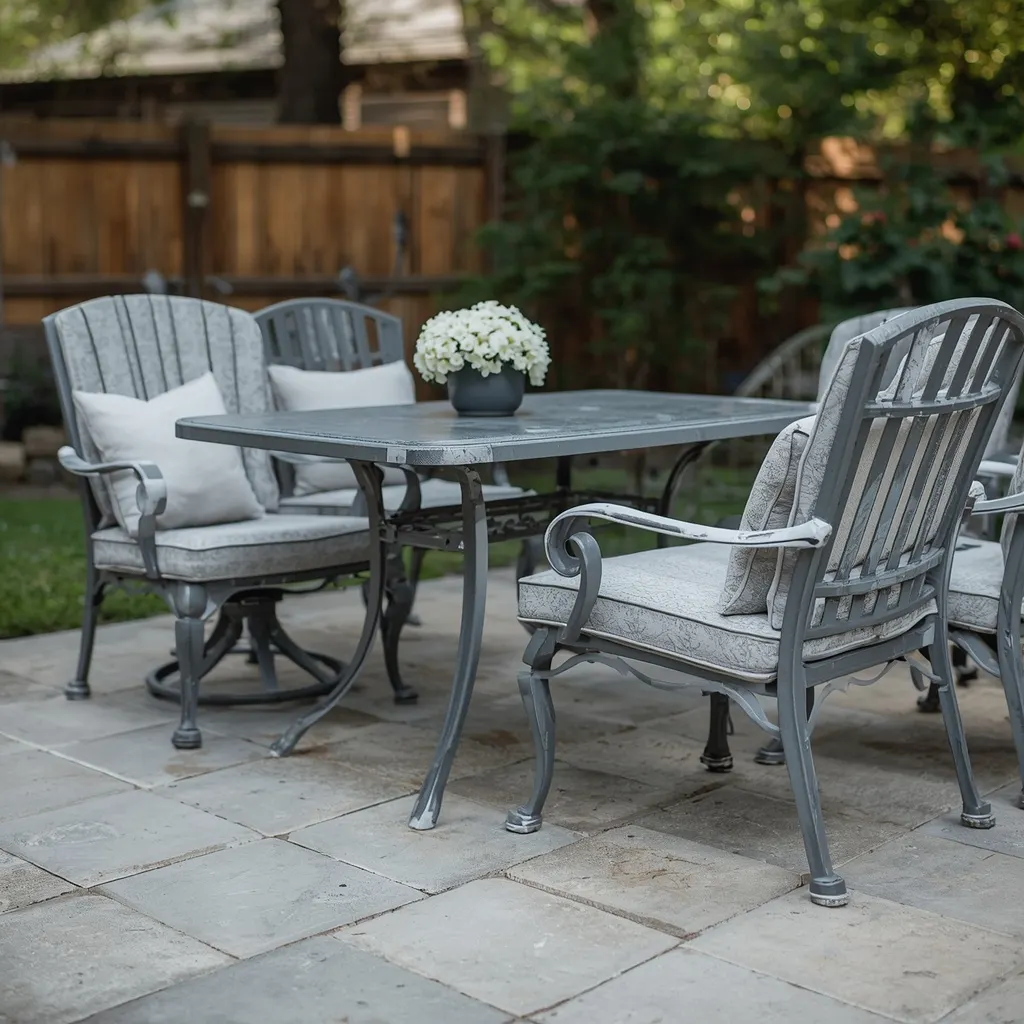

Getting the Chalky Film Off Oxidized Aluminum Patio Chairs
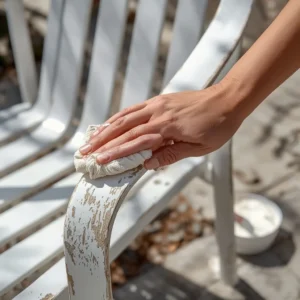

Oxidized aluminum patio chairs have a very specific look: a dull, chalky white film that rubs off on your hands or clothes the moment you touch the armrests. Almost every outdoor furniture material shows its age eventually but aluminum does it in its own distinct way, quietly and without any of the flaking or reddish staining people associate with rusted metal. It is easy to mistake for dirt at first, since a quick wipe with a damp cloth barely makes a dent in it but the actual cause is a chemical reaction happening right on the metal’s surface.
The good news is that oxidized aluminum patio chairs are almost always salvageable without any harsh stripping products or abrasive scrubbing that could scratch the finish underneath. A short cleaning process using ingredients most people already have at home clears the chalky film and brings back the shine in under an hour. Keep reading for the full three-step method, plus how to keep the oxidation from building back up once the chairs look good again.
Why Aluminum Oxidizes Instead of Rusting
Aluminum does not rust the way iron and steel do but it reacts with oxygen just as readily. According to The Aluminum Association, aluminum naturally generates a protective oxide coating that resists corrosion and this layer forms almost instantly when the metal is exposed to air, then regenerates on its own if the surface gets scratched. The table below details the official protective-coating insight established by The Aluminum Association.
| Number & Insight | Source (Institute) | Expert / Team |
|---|---|---|
| Aluminum naturally generates a protective oxide coating that resists corrosion and this layer forms almost instantly on exposure to air, then regenerates on its own if the surface is scratched. | The Aluminum Association | Aluminum Association Green Building Program |
That self-healing quality is exactly why the chalky look develops in the first place. Over months of sun and rain, the thin oxide layer thickens and turns visibly white and powdery, even though the metal underneath stays fully protected the whole time. This is also why aggressive scrubbing or stripping products are unnecessary and often counterproductive, since the goal is removing the buildup rather than fighting the metal’s own defense mechanism.
What You’ll Need Before You Start
The full cleaning method uses ingredients most kitchens already have on hand. Cream of tartar, a small bowl of warm water, mild dish soap and a soft cloth or non-abrasive sponge handle the vast majority of oxidized aluminum furniture without any specialty products. A soft-bristle brush is worth adding for textured or woven aluminum pieces where a flat cloth cannot reach every groove.
Skip steel wool or anything abrasive, since scratching through the thin natural oxide layer just gives the aluminum a fresh, unprotected surface to oxidize all over again. A microfiber towel for the final buff and dry step, along with a bottle of car wax or aluminum-specific protectant for afterward, rounds out the full list before you start.
Cleaning Oxidized Aluminum Patio Chairs: Step by Step
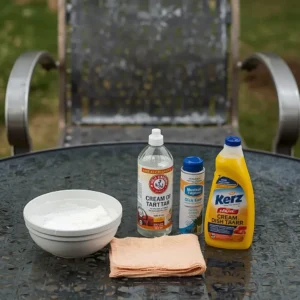
The full process takes under an hour for most chairs, with most of it spent on the paste sitting rather than active scrubbing. Each step below builds on the last, so working through them in order gives the cleanest result without needing a second pass.
Wash Away Loose Dirt and Debris
Start with a simple wash using warm water and a few drops of mild dish soap, wiping down the entire chair with a soft cloth before touching the oxidized areas directly. This clears away loose dirt, pollen and surface grime that would otherwise mix into the cream of tartar paste and make it harder to see which spots still need work. Rinse the whole piece and let it dry or wipe it down with a clean towel before moving on to the next step.
Apply a Cream of Tartar Paste
Mix cream of tartar with just enough water to form a thick paste, then spread it directly over the chalky areas with a soft cloth or sponge. Let the paste sit for ten to fifteen minutes, giving the mild acid time to break down the oxidation without needing any scrubbing pressure that could mark the surface. For heavily oxidized spots, a slightly thicker paste left for the full fifteen minutes tends to work better than a thin layer rushed through in five.
Buff, Rinse and Protect the Finish
Buff the paste away with a clean, damp cloth, working in small circles until the chalky residue lifts and the metal’s shine starts coming back through. Rinse thoroughly with plain water, dry completely, then finish with a light coat of car wax or an aluminum-specific protectant to slow the next round of oxidation. Two thin coats of wax, buffed between applications, tend to hold up longer than a single heavy layer.
Preventing Aluminum From Oxidizing Again
A thin coat of car wax or metal sealant applied once or twice a year gives the natural oxide layer an extra shield against sun and moisture, which noticeably slows how fast the chalky look returns. Wiping furniture down after heavy rain, rather than letting water sit on the surface for days, helps too, since standing moisture is what accelerates the oxide layer’s growth into that visible chalky film.
Storing aluminum furniture under a cover or in a garage during the harshest stretch of winter weather also cuts down on how much oxidation builds up before the next season starts. If the rest of your patio set is showing wear this season, from faded plastic to rust on other pieces, the same seasonal care routine applies across the board. Our guide on how to fix faded plastic patio furniture covers five more common patio problems worth handling in the same afternoon.
How Much Does It Cost to Clean Oxidized Aluminum Furniture (Under $15)
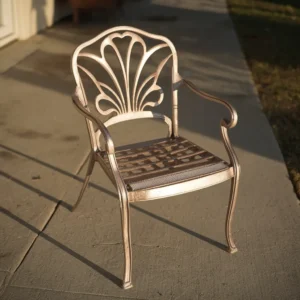
Cleaning oxidized aluminum patio furniture at home typically costs under $15 in materials, covering cream of tartar, mild dish soap and a basic cloth or sponge most households already have. Adding a protective wax or aluminum sealant afterward brings the total closer to $20 to $25, still a fraction of what professional refinishing or replacement furniture would cost.
Professional aluminum restoration services generally start around $50 to $100 per piece depending on size and the severity of the oxidation. For anything short of deep pitting or structural damage, the DIY route handles the job just as well for a small fraction of that price.
How Many Times a Year You Should Clean Aluminum Patio Furniture (2 Times)
Cleaning aluminum patio furniture twice a year, once at the start of the outdoor season and once before storing it for winter, keeps the oxidation from building up into a heavy chalky layer. A quick wipe-down with soapy water between those two deeper cleanings helps as well, especially after a stretch of rainy weeks that leaves furniture damp for days at a time.
Furniture that sits in full sun most of the day tends to oxidize faster than pieces in partial shade, so a mid-season check is worth adding for anything positioned in a consistently sunny spot on the patio. Coastal or high-humidity climates also tend to accelerate the process, making a third light check worthwhile in those conditions.
How Long Does It Take to Remove Oxidation From Aluminum (30 Minutes)
Most oxidized aluminum chairs clean up in about 30 minutes total, including the ten to fifteen minutes the cream of tartar paste needs to sit before buffing. Heavier oxidation that has built up over several seasons sometimes needs a second application, adding another 15 to 20 minutes to the process, particularly on pieces that have gone two or more years without any cleaning at all.
Drying time before applying any protective wax adds a bit more but even a heavily oxidized set rarely takes more than an hour from start to finish, well short of what a full repaint or refinishing job would require. A full patio set of four to six chairs typically stretches the total project to two or three hours when treated all at once.
Conclusion
Oxidized aluminum patio chairs rarely need to be replaced; the chalky look is a surface condition that a simple cream of tartar treatment clears in well under an hour. The metal underneath stays fully protected by its own natural oxide layer the entire time, even while the surface looks its worst, which is part of what makes aluminum such a forgiving material to own outdoors in the first place.
Protect that finish with a light wax coat once the oxidation is gone and the same chairs can easily go a full season or two longer before needing another treatment or a second cleaning pass altogether. Check your aluminum patio furniture regularly for the first signs of chalkiness before it spreads across the whole piece, since a small area is always faster to treat than a fully oxidized chair covering every visible surface. If this cleaning method worked well on your own furniture, tell us in the comments or share this guide with a friend whose patio set could use the same refresh.
Frequently Asked Questions (FAQs)
How do you clean oxidized aluminum patio chairs?
You clean oxidized aluminum patio chairs by washing away loose dirt first, then applying a cream of tartar paste to the chalky areas for ten to fifteen minutes, buffing it away with a damp cloth, rinsing thoroughly and finishing with a light coat of wax or aluminum protectant.
Does vinegar remove oxidation from aluminum?
White vinegar can help remove light oxidation from aluminum thanks to its mild acidity, though cream of tartar paste generally works faster and more evenly on the kind of chalky film that builds up on outdoor furniture.
Is oxidized aluminum furniture safe to use?
Oxidized aluminum patio chairs are completely safe to use, since the chalky appearance is a cosmetic surface condition rather than a sign of structural weakness and the oxide layer itself is actually what protects the metal from further corrosion.
Can you use steel wool on oxidized aluminum?
Steel wool should be avoided on oxidized aluminum, since its abrasiveness scratches through the metal’s natural protective layer and exposes fresh aluminum that will oxidize again even faster than before.
Will polishing aluminum furniture prevent future oxidation?
Polishing alone will not fully prevent future oxidation but following a polish or cleaning with a coat of car wax or an aluminum-specific sealant significantly slows how quickly the chalky film returns.