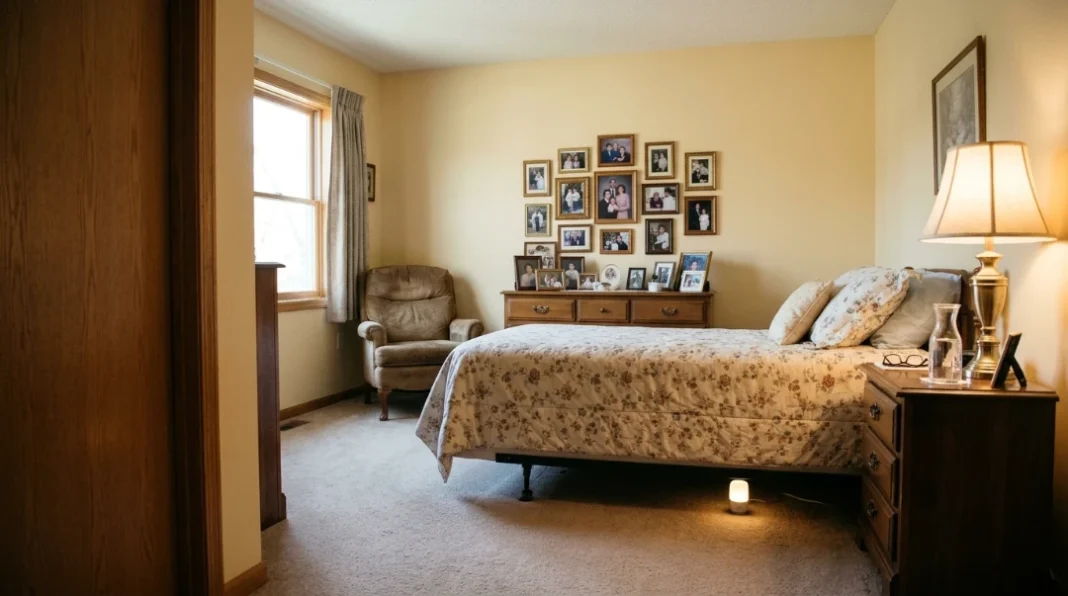

Adapt Bedroom Aging Adults Rely On Before a Fall Forces the Issue
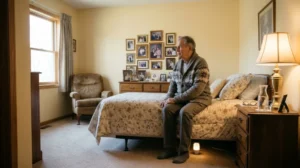

To adapt bedroom aging adults depend on every night, start with the three details that decide whether a night is safe: where the lamp sits, how dark the path to the bathroom is and how the mattress meets the person’s knees. A bedroom that worked at 65 may not work at 80. The gap usually opens quietly. Reviewing the room on a schedule is cheaper and kinder than repairing it after an injury.
KEY TAKEAWAYS:
- Hospital stays after falls are common, so adapt the room while the person is still steady.
- A printed CDC checklist finds hazards that familiarity hides.
- A lamp within reach and a lit path are the two quickest wins.
- Sitting height matters: both feet flat, knees near a right angle.
- Pair the bedroom review with the yearly eye, foot and medication checkups.
If you want the full picture first, our step-by-step plan to modify bedroom for seniors puts rails, lighting, layout and bed height in one place. This page narrows in on a different question: how the room should evolve as the person’s strength, eyesight and balance shift. Think of it as the maintenance schedule that keeps every other safety change working as the seasons and the years go by.
Three Adaptation Mistakes That Quietly Raise Fall Risk
Nobody sets out to leave a bedroom unsafe. The mistakes below come from loving someone who insists they are fine, from a house that feels too familiar to inspect and from habits that stay frozen while bodies change. Each one has a calm fix that respects the person’s independence. None needs a contractor. Read them as three lenses to look through when you adapt bedroom aging adults live in, rather than as a list of blame.
Treating the First Fall as the Starting Gun
Many families begin only after something goes wrong. The numbers show why that is costly. The CDC counts about 1.4 million older-adult hospitalizations from falls each year, with nearly 319,000 of them for hip fractures. The same page adds that less than half of people who fall mention it to a doctor, so a stumble at home can pass without anyone learning from it.
Watch for the small tells instead. A hand on the dresser while crossing the room, a long pause at the bed edge or a new habit of skipping night trips to the bathroom all signal that the room has stopped fitting the person. Pick one change the same week, such as a closer lamp. Note the date. A small adjustment made early is easier to accept than a large one made after a scare.
Trusting Memory Instead of a Checklist
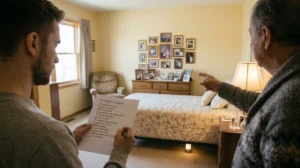
People stop seeing the hazards in a room they have lived in for decades. A cord that has crossed the floor for years feels like part of the house. The CDC’s home fall prevention checklist for older adults interrupts that blindness with direct questions: do you walk around furniture, are throw rugs on the floor, do cords cross your path, is the lamp hard to reach?
Print it, grab a pen and walk the bedroom together at a relaxed pace. Where the answer is yes, the checklist supplies the fix: clear the path, remove rugs or hold them down with double-sided tape or non-slip backing, run cords along the wall, bring a lamp within reach and add a night light. Working through it as a team makes the changes feel like a shared decision, not a verdict. The table below details bedroom checklist guidelines established by CDC specialists.
| Insight | Source | Team |
|---|---|---|
| The CDC checklist advises placing a lamp within easy reach of the bed, installing a night light on a dark path from bed to bathroom (some turn on automatically at dusk), securing cords along the wall and removing throw rugs or securing them with double-sided tape or non-slip backing | CDC | CDC STEADI Older Adult Fall Prevention Team |
Changing the Furniture but Not the Habits
A well-adapted room still fails when the person rushes. NCOA suggests testing the bed by sitting on the edge: both feet should rest flat with the knees bent at about 90 degrees, which usually means the top of the mattress sits 20 to 23 inches off the floor. It also recommends sitting up, pausing and standing slowly, with a count of 10 before the first step, because dizziness catches people off guard.
Health checkups belong in the same plan. The CDC advises an eye exam at least once a year, new glasses when needed, a yearly foot check and a medication review that covers dizziness or drowsiness. The National Institute on Aging adds strength and balance exercise and a cane or walker when extra stability is needed. Adapt the bedroom and the routine together. Each one supports the other.
3 Everyday Habits That Show a Room Has Been Outgrown
First, the person needs two or three attempts to rise from the bed. Second, they steady themselves on furniture that was never meant to bear weight. Third, they mention feeling lightheaded after standing. Any one of these is enough to start a review. None of them requires a diagnosis. They are simply signs that the room and the body have drifted apart.
Listen for avoidance as well. Someone who stops getting up at night may be worried about the walk rather than uninterested in comfort. Ask open questions such as which part of the route feels hardest, then fix that part first. Their answer is often more useful than any checklist, because it comes from the person who actually crosses the floor in the dark.
5 Adjustments Worth Making This Month

Five small moves cover most efforts to adapt bedroom aging adults rely on: set the bed so both feet sit flat, bring a lamp within reach of the pillow, light the path to the bathroom, hold cords and rugs against the floor and keep daily items on waist-high shelves. Every one comes from the CDC or NCOA. Every one can be done with household tools.
Order them by effort when you adapt bedroom aging adults depend on each day. The lamp and night light take minutes. Cords and rugs take an evening. Bed height may need a thinner mattress or a different frame. Shelves involve rearranging a closet. Take a dated photo when you finish so the next review starts from a clear baseline instead of from memory, which is exactly what the checklist is meant to replace.
2026 Pick: A Yearly Review Tied to Existing Checkups
The strongest option this year is not a product. It is a habit: when the eye exam, foot check and medication review come around, walk the bedroom with the CDC checklist the same week. Adjust the lamp, the night light, the bed height and the route to match whatever those appointments reveal about the person’s vision, feet and balance.
This works because it attaches a new task to appointments that already exist, so nobody has to remember it separately. If health changes sooner, after an illness or a new prescription, review sooner. Add an assist handle when standing becomes difficult and keep the floor clear elsewhere. A room that changes at the same pace as the person is the safest kind.
Put the Bedroom Review in the Calendar
Print the CDC checklist tonight, pencil a date for the walkthrough and fix the first three items it flags. Most households find a far-off lamp, a dark route and a loose cord or rug at the top of the list. Those changes take a few hours at most. They are the core of how families adapt bedroom aging adults can keep using safely for years, without a single piece of costly equipment.
Safety planning works best when it feels like care, not control. Invite the person to choose the lamp, pick the night light and decide where the shelf goes, so the room still reflects their taste. Then set a yearly reminder beside their eye appointment. Small steady changes protect people far better. Come back and tell us which small change turned out to matter most in your family this year.
Frequently Asked Questions (FAQs)
How do you adapt a bedroom for aging adults?
The simplest way to adapt bedroom aging adults need is to change one safety detail at a time: a lamp within reach, a night light on the path to the bathroom, secured cords and rugs, a bed at the right height and a clear walking route.
How high should a bed be for an older adult?
NCOA says the top of the mattress should be about 20 to 23 inches from the floor, so both feet rest flat and the knees bend at roughly 90 degrees when seated on the edge.
When should you start adapting a bedroom for a parent?
Start before any fall. Early signs include needing several tries to stand, holding furniture for balance and feeling dizzy after getting up. The CDC notes that less than half of people who fall tell a doctor.
What belongs on a home fall prevention checklist?
The CDC checklist covers clear floors, secured cords, removed or secured throw rugs, a lamp within reach of the bed, a night light on the path to the bathroom, lights and handrails on stairs and grab bars in the bathroom.
How often should an older adult’s bedroom be reviewed?
A yearly review works well when paired with the annual eye exam, foot check and medication review the CDC recommends, with an earlier review after any illness or new prescription.