
Tiered Raised Garden Beds With Greenhouse Covers Explained
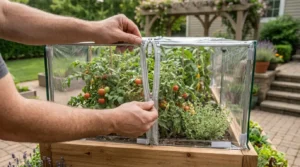

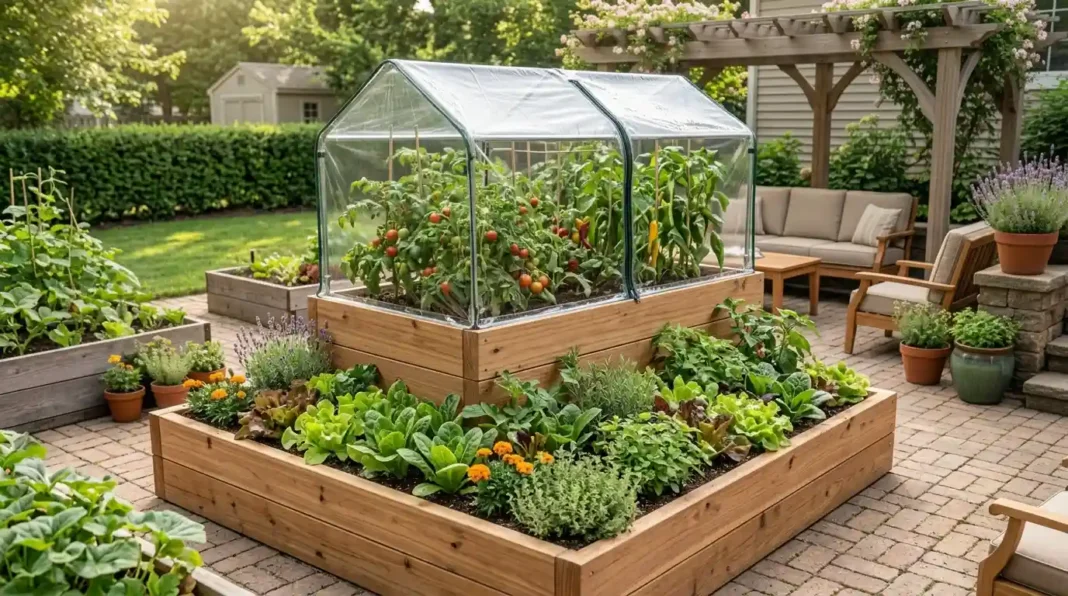
Tiered raised garden beds with a greenhouse cover stack two or three planting levels on one frame, with a clear zippered cover pulled over the top tier. That cover traps warmth. It turns the top level into a mini greenhouse for spring starts, without the cost of a full greenhouse or high tunnel. Most kits ship with the frame, the tiers and the cover as one set, so you’re not sourcing plastic sheeting or hoops separately.
Key Takeaways
- A zippered cover on the top tier adds frost protection for spring seedlings.
- Two or three tiers is the standard range for a home-size bed.
- Clear plastic covers trap more heat than fabric row cover, but need daily venting.
- Tunnels and low covers add roughly 1 to 3°F of frost protection at best.
- Remove the cover once plants flower, so pollinators can reach them.
This guide covers the build decisions that matter most: tier count, cover material, real frost protection numbers, ventilation, watering and when to take the cover off for good.
Seven Tiered Bed and Greenhouse Cover Guides
Not every tiered raised garden bed with a greenhouse cover works the same way. Tier count, cover material and ventilation habits all change how much of a head start you actually get in spring. The seven guides below walk through building, covering and running a tiered bed, in the order you’d actually make these decisions.
How Many Tiers to Build
Two tiers is the easiest setup for a first-time build. It keeps the top level within easy reach for zipping the cover on and off. Three tiers add more growing space in the same footprint. But the top tier sits higher. Reaching the cover zipper gets harder for shorter gardeners. Each tier typically runs 10 to 12 inches deep, so a two-tier bed lands around 20 to 24 inches total, while a three-tier bed climbs to 30 to 36 inches.
Most kits cap out at three tiers for a reason. Stack a fourth level, and the frame needs real bracing to stay stable in wind. A two-tier bed also drains faster after rain, since water has fewer levels to work through before it hits the ground.
Cover Material: Plastic vs Fabric
Clear plastic sheeting traps the most heat, since it blocks wind entirely while still letting light through. Most kits use 4 to 6 mil polyethylene film, thick enough to survive a season of wind without tearing. That heat buildup cuts both ways. A sunny afternoon can cook seedlings under plastic if nobody vents it. Fabric row cover breathes on its own.
Most row fabric runs 0.5 to 1.5 ounces per square yard. That’s light enough to let air through even when zipped shut, so it’s more forgiving if you forget to check the bed for a day. Fabric also costs less to replace. Plastic covers tend to crack or yellow after one or two seasons in direct sun. A medium-weight fabric cover often lasts three or four seasons with normal care.
Frame Material: Wood vs Metal for a Tiered Bed
Cedar and other rot-resistant woods look natural, and most cedar kits use heartwood that resists rot on its own. Untreated pine breaks down within a few years outdoors. Galvanized steel skips the rot question entirely, since it isn’t wood in the first place. Most steel kits use 20 to 22 gauge sheet, thick enough to hold shape under a full load of wet soil without denting. It also won’t warp the way a wet, sun-baked board can.
Weight is the trade-off. A cedar frame is lighter to move before it’s filled with soil. A steel frame usually needs two people to carry once it’s assembled, but it shrugs off more abuse from kids, pets or a dropped tool than wood ever will.
How Much Frost Protection a Cover Actually Adds

This is the number most people get wrong. Cornell Cooperative Extension’s own season-extension guidance is blunt about it. Tunnels and low covers add roughly 1 to 3 degrees Fahrenheit of frost protection at best. Not the 8 to 10 degrees some sellers imply. A cold frame does better. Cornell notes it can run 10 to 20 degrees warmer than the outside air. But that’s a different structure entirely from a zippered tier cover. The table below shows the frost-protection numbers from Cornell Cooperative Extension.
| Number & Insight | Source (Institute) | Expert / Team |
|---|---|---|
| Tunnel-style covers add roughly 1 to 3°F of frost protection at best, while a cold frame can run 10 to 20°F warmer than outside air. | Cornell Cooperative Extension | Cornell Garden-Based Learning |
That 1 to 3 degree number matters when you’re deciding how early to plant. A tiered bed cover buys you a small buffer against a light frost. It won’t save tender seedlings through a hard freeze. Read more from Cornell’s season extension guidance before you plant weeks ahead of your last frost date.
Venting the Cover Before It Overheats
A closed plastic cover on a sunny 50°F day can push soil and air temperatures well past what young seedlings can handle. As a rule of thumb, vent the cover any time outside air climbs past 55°F under direct sun, even in early spring. Prop one end open. Or unzip a few inches. Close it back up in the late afternoon to hold onto the day’s heat overnight.
Skipping this step is the most common reason a tiered bed cover kills the very seedlings it was meant to protect. A simple habit fixes it: check the bed once in the morning and once in the afternoon while the cover is still in use.
Watering a Tiered Bed With Multiple Levels
Water poured into the top tier doesn’t reach the bottom tier the way it would in a single-level box. Each tier needs its own watering pass, since the soil in one level doesn’t share moisture with the level below it the way people expect. Aim for enough water to darken the top inch or two of soil in each tier, roughly a quart per square foot on a dry day. A watering can with a narrow spout makes this easier than a hose, since you can target each tier without splashing soil out of the frame.
Covered tiers also hold moisture longer than open ones. Check soil before watering a covered tier, since it dries out slower under plastic or fabric than an uncovered bed would in the same weather.
Storing or Removing the Cover for Summer
Once plants flower, take the cover off for good. Bees and other pollinators need direct access to the blossoms, and a zipped cover blocks that. Fold plastic covers flat and store them somewhere dry and out of direct sun, since UV exposure is what breaks plastic sheeting down between seasons.
Fabric covers can go straight into a bin without much care, but give them a quick rinse first if they picked up soil or fertilizer residue. A cover that’s stored damp is far more likely to grow mildew before next spring.
The 1 to 3-Degree Reality Check on Frost Covers
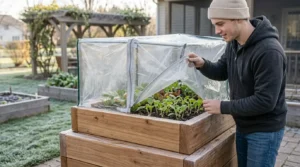
Most cover marketing implies far more frost protection than the numbers actually support. A tunnel-style cover over a tiered bed adds roughly 1 to 3 degrees of protection, not enough to carry tender plants through a hard freeze. Treat it as a buffer against a light, late frost, not a guarantee against cold snaps.
If your area still gets hard frosts past the average last-frost date, hold off on tender transplants regardless of the cover. A cover helps at the margins. It doesn’t replace waiting for the right planting window.
$30 Fix for a Cover That Won’t Stay Zipped
A stuck or broken zipper is the most common complaint with tiered bed covers, and it’s usually cheaper to fix than replace. A roll of heavy-duty hook-and-loop tape, run along the cover’s opening, holds just as well as a zipper for most home gardeners. It costs under $30 for enough tape to redo an entire cover.
Clean the cover’s edge with rubbing alcohol before applying the tape, so it actually sticks through a season of watering and wind. This fix buys another year or two out of a cover you’d otherwise replace.
Best 3-Tier Kit With Cover Under $200: 2026 Pick
A basic 3-tier galvanized steel kit with a fitted plastic cover is the most common way to land this whole setup under $200. Expect a single frame with a footprint around 4 feet by 2 feet, not an extra-wide or extra-tall build at that price.
Fabric-cover versions often run $20 to $40 less than plastic-cover kits, since fabric costs less to manufacture. If budget is tight, a fabric cover still gets you most of the frost-protection benefit for less money.
Tiered Raised Garden Bed Buying Takeaways
A tiered raised garden bed with a greenhouse cover earns its keep in early spring. A few degrees of frost protection means transplanting sooner than an open bed allows. Keep expectations realistic, though. Cornell’s own numbers put that protection at 1 to 3 degrees, not the double digits some marketing suggests. Whichever cover material you pick, plan on taking it off once plants flower and pollinators need access. Store it clean and dry, and it’ll outlast a season or two more than one left balled up in a shed. Share a photo of your setup below; we’d love to see how you built yours.
If you’re dealing with an elevated raised garden bed with legs, this tiered style is worth comparing. Our full guide on elevated raised garden beds with legs covers the leg height and material side in more depth. If this guide helped you plan your build, let us know in the comments below and share it with friends or family who are setting up their own garden beds this season.
Frequently Asked Questions (FAQs)
What is the best tiered raised garden bed with a greenhouse cover?
The best tiered raised garden bed with a greenhouse cover is a 2 or 3 tier galvanized steel frame. A fitted plastic or fabric cover zips over the top level. That combination gives you real frost protection without the cost of a full greenhouse.
How much frost protection does a greenhouse cover actually add?
Roughly 1 to 3 degrees Fahrenheit, according to Cornell Cooperative Extension. That’s enough of a buffer against a light, late frost, but not enough to protect tender plants through a hard freeze.
Should I use a plastic or fabric cover on a tiered bed?
Plastic traps more heat but needs daily venting on sunny days. Fabric breathes on its own and forgives a missed venting day, though it holds in less warmth overall.
How many tiers should a raised garden bed have?
Two tiers works best for a first build, since the top level stays easy to reach. Three tiers adds growing space but makes the top tier harder to reach for shorter gardeners.
When should I remove the greenhouse cover from a raised bed?
Take the cover off once plants start to flower, so bees and other pollinators can reach the blossoms. Leaving it on past that point can cut your harvest down.