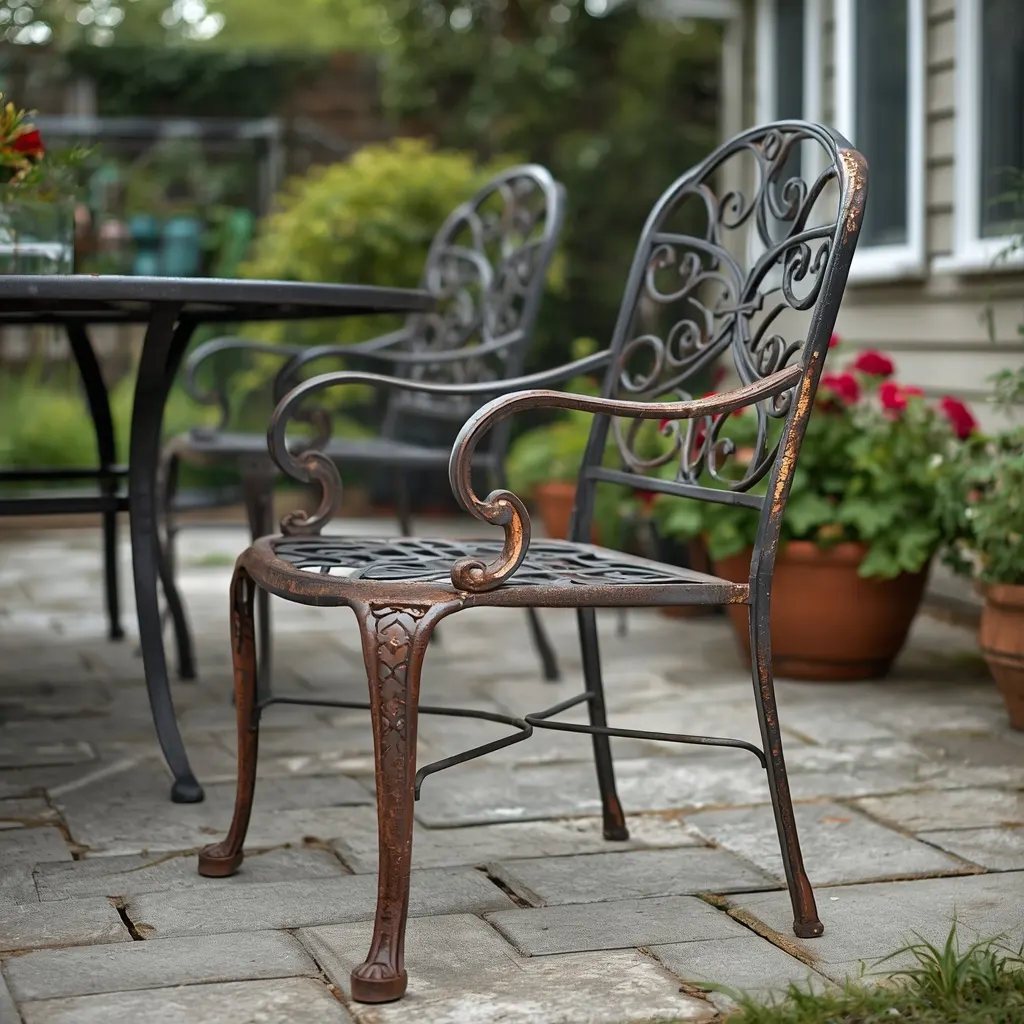
Clearing Rust From Patio Furniture the Easy Way
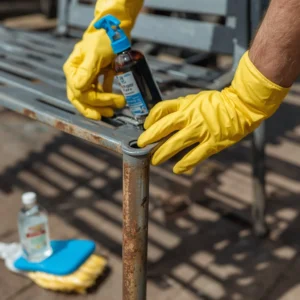
Rust from patio furniture has a way of showing up exactly where you least expect it: on chair arms, table legs and the joints where two pieces of metal meet. What starts as a few small orange flecks can spread across an entire frame within a season if it goes untreated, turning a piece you actually like into one you are embarrassed to have out during a barbecue. Wrought iron, steel and even some powder-coated aluminum frames are all fair game once a scratch or chip exposes bare metal underneath.
The instinct for a lot of people is to reach for sandpaper but that is not actually necessary for most rust jobs on outdoor furniture. Two simple household methods lift rust from patio furniture just as effectively without stripping the surrounding finish or risking scratches on the metal underneath. Keep reading for both methods, plus how to protect the metal once the rust is gone.
Why Rust Forms on Patio Furniture in the First Place
Wrought iron and steel patio pieces are constantly exposed to the two ingredients rust needs most: moisture and oxygen, whether from rain, morning dew or just humid outdoor air. According to Encyclopaedia Britannica, a layer of rust can sometimes act as a barrier that actually slows further corrosion but once that layer is scratched, sanded or otherwise disturbed, the fresh metal underneath becomes vulnerable to rusting all over again. The table below details the official corrosion insight established by Encyclopaedia Britannica’s science editors.
| Number & Insight | Source (Institute) | Expert / Team |
|---|---|---|
| A layer of rust can sometimes act as a barrier that slows further corrosion but disturbing that layer, through sanding or scratching, exposes fresh metal that is vulnerable to rusting again. | Encyclopaedia Britannica | Britannica Science Editors |
That single fact is part of why sanding is not always the smartest first move. Grinding down to bare metal removes whatever protective barrier had already formed, giving new rust an even easier path to take hold again shortly after the furniture goes back outside. A chemical or gentle abrasive method, by contrast, lifts the loose rust while leaving more of that underlying protection intact.
What You’ll Need Before You Start
Both rust-removal methods below use ingredients most people already have at home. White vinegar, baking soda, a stiff-bristle brush or old toothbrush and a microfiber cloth handle the vast majority of rust spots on outdoor furniture without any specialty products. A pair of rubber gloves keeps the vinegar and paste off your hands during the longer soaking and sitting times.
For furniture with deeper, more established rust, a rust converter is worth adding to the list. These products chemically transform rust into a stable, paintable surface rather than removing it outright, which is useful for pitted areas where a soak or paste alone will not fully clear the damage. A small container for mixing the baking soda paste and a separate bowl or bucket for the vinegar soak round out what you need before starting either method.
Two Ways to Remove Rust From Patio Furniture Without Sanding
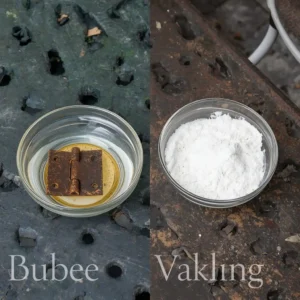
Which method works best depends mostly on how the rust is distributed. Small, isolated spots respond well to a soak, while rust spread across a wider surface is easier to treat with a paste that stays put on vertical or angled pieces. Both methods below take under an hour and use nothing more abrasive than a soft brush.
White Vinegar Soak for Small Rust Spots
White vinegar’s mild acidity dissolves rust on contact, which makes it ideal for hardware, hinges and small rusted spots that can be removed or submerged. Soak the affected piece in undiluted white vinegar for one to two hours, checking periodically since heavier rust may need closer to the full two hours to fully loosen; then scrub gently with a stiff brush to lift the loosened rust away.
Rinse thoroughly with water afterward, since leftover vinegar residue can continue reacting with the metal if it is left to sit. Dry the piece completely before moving on to any protective coating, since trapped moisture undoes most of the benefit of the treatment and can invite a fresh round of rust within days.
Baking Soda Paste for Larger Rust Areas
For rust spread across a wider surface, like a full chair arm or table leg, mix baking soda with just enough water to form a thick paste, then spread it directly over the rusted area in an even layer. Let it sit for about twenty minutes so the mildly abrasive paste has time to loosen the rust without needing any actual sanding; leave it longer for areas with heavier buildup.
Scrub gently with a brush once the paste has set, focusing on one small section at a time rather than trying to cover the whole piece at once. Wipe away the residue with a damp cloth, then dry the surface fully before moving on to any rust prevention step, since the paste itself offers no lasting protection once rinsed away.
Protecting Bare Metal After Rust Removal
Freshly cleaned metal is more exposed than it looks and skipping a protective step now often means treating the same rust spots again within a few months. A thin coat of clear rust-inhibiting spray or a matching touch-up paint seals the surface before moisture and oxygen get another chance at it and either option dries within an hour under normal outdoor conditions.
Reapplying that protective coat once or twice a year, especially after a particularly wet season, keeps newly cleaned metal from sliding right back into the same cycle. If the rest of your patio set needs attention too, from faded color to mold on the umbrella, the same seasonal mindset applies across the board. Our guide on how to fix faded plastic patio furniture covers five more common patio problems worth tackling in the same afternoon.
How Much Does It Cost to Remove Rust From Patio Furniture (Under $20)
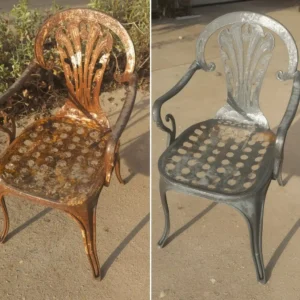
Treating rust from patio furniture at home typically costs under $20 in materials, covering white vinegar, baking soda and a basic scrub brush most households already own. Adding a rust converter or protective sealant for deeper cases pushes the total closer to $25 to $35, which still comes in well below professional refinishing or a replacement piece.
Professional rust removal or refinishing services usually start around $75 to $150 per piece depending on size and condition, making the DIY route the clear choice for anything short of severe structural rust. Structural rust, where the metal has thinned or developed holes, is the one case where a professional opinion is worth the added cost.
How Many Times a Year You Should Treat Patio Furniture for Rust (2 Times)
Checking outdoor metal furniture for rust twice a year, once in spring before the season starts and once in fall before storage, catches most spots while they are still small and easy to treat. A quick visual inspection takes only a few minutes per piece, focusing on joints, welds and any spot where two metal parts meet.
Furniture that sits directly on grass, near a sprinkler or in a spot that collects standing water after rain often benefits from a mid-season check as well, since those pieces are exposed to moisture more consistently than furniture on a covered, dry patio. A third check costs nothing but a few minutes and can catch a problem well before it spreads.
How Long Does It Take to Remove Rust Without Sanding (30 to 60 Minutes)
Most rust spots clear in 30 to 60 minutes total using either the vinegar soak or baking soda paste method, including the time the solution needs to sit before scrubbing. Small, isolated spots sit on the lighter end of that range, while a full chair arm covered in surface rust runs closer to the full hour.
Deeper, more established rust sometimes needs a second treatment pass, adding another 30 minutes or so but even then the total time stays well under what a full sanding and repainting job would require. Factoring in drying time before any protective coating goes on adds roughly another hour to the overall project.
Conclusion
Rust from patio furniture almost never means the piece is ruined; it usually just means the surface needs the right treatment instead of a trip to the curb. A vinegar soak for small spots or a baking soda paste treatment for wider areas clears the vast majority of rust cases in under an hour, no sandpaper and no stripped finish required.
Protect the bare metal once the rust is gone and the same piece can easily go a full season or more without a repeat treatment. Check your furniture for early rust spots on a regular basis before they spread across the whole frame, since catching it small always beats treating it big later once the damage has spread further than a quick soak can fix. If one of these methods worked for your furniture, tell us in the comments or share this guide with a friend whose patio set could use the same fix.
Frequently Asked Questions (FAQs)
How do you remove rust from patio furniture without sanding?
You remove rust from patio furniture without sanding by soaking small spots in undiluted white vinegar for one to two hours or applying a baking soda paste to larger areas for about twenty minutes, then scrubbing gently with a soft brush and rinsing thoroughly before drying completely.
Does vinegar really remove rust from metal furniture?
White vinegar genuinely removes rust from metal furniture because its mild acidity dissolves iron oxide on contact, making it effective for hardware, hinges and small rusted spots without damaging the surrounding paint or finish.
Can baking soda damage patio furniture?
Baking soda paste is mild enough not to damage most patio furniture finishes when used as directed, since it works through gentle abrasion rather than harsh chemicals, though it should always be rinsed away fully afterward to avoid leaving residue.
Will rust come back after I remove it?
Rust can come back after removal if the bare metal is left unprotected, which is why a rust-inhibiting spray or touch-up paint applied immediately after cleaning is the step that actually prevents the problem from repeating.
Is it safe to leave small rust spots untreated?
Small rust spots left untreated will typically spread over time as moisture and oxygen continue reacting with the exposed metal, so treating them early, while they are still minor, is far easier than waiting until the rust covers a larger area.