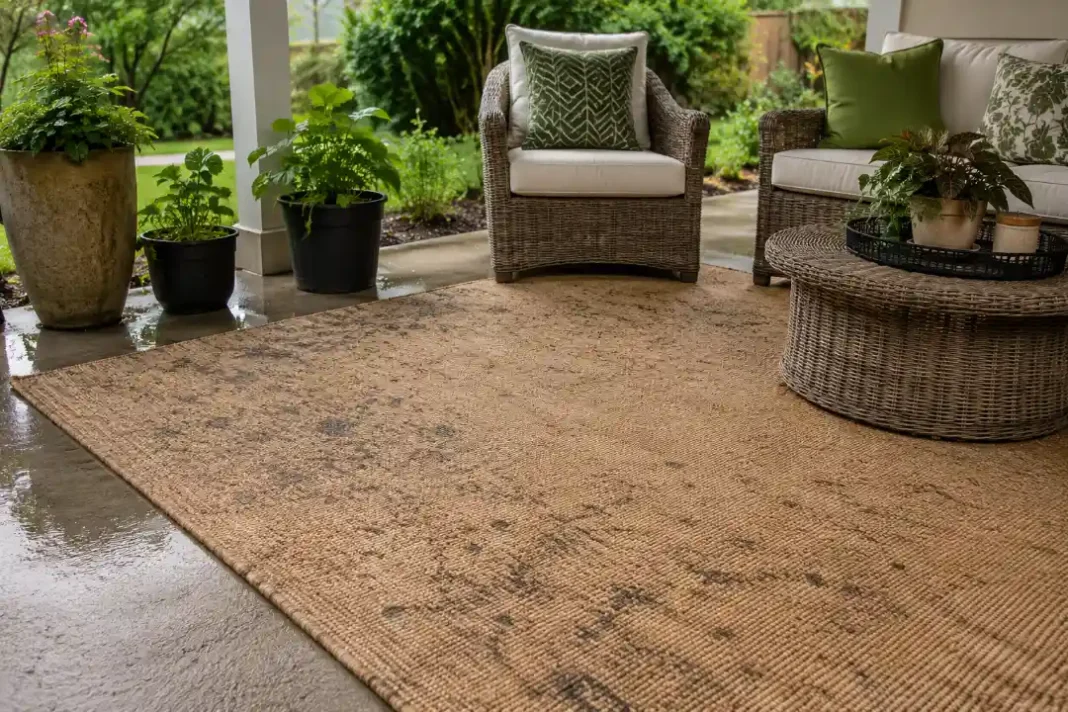

Jute Mold Outdoor Patio: What Makes This Fiber Different
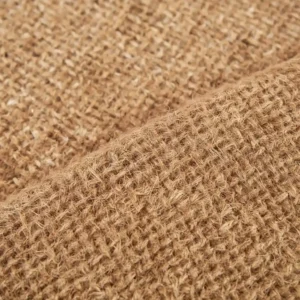

A jute rug on a patio looks like it belongs there, earthy, textured, the kind of natural material that seems built for outdoor living. The problem is that jute was never actually built to handle outdoor moisture the way its appearance suggests. Every jute mold outdoor patio situation starts with the same basic fact: this fiber absorbs water readily and releases it slowly, which is a completely different behavior from the synthetic materials most outdoor rugs are actually made from, the same material comparison covered in our guide to keep an outdoor rug safe.
A few weeks of humidity or a couple of unexpected rain exposures is often all it takes for mildew to set in, even on a rug that looked fine the whole time it was happening. None of this means jute is off the table for outdoor use entirely; it just means the fiber needs a different set of expectations than a synthetic rug would.
Why Jute Absorbs Moisture Faster Than Synthetic Rugs
Jute is a plant-based bast fiber, and like most natural plant fibers, its cell structure is naturally porous, built to draw in and hold moisture the way the living plant once did. The FAO’s fibre research notes that jute fibers have a naturally high moisture regain rate compared to synthetic alternatives, meaning the fiber itself physically holds onto water rather than shedding it. Synthetic fibers like polypropylene, by contrast, are essentially non-absorbent; water sits on the surface and evaporates quickly instead of soaking in.
| Number & Insight | Source (Institute) | Expert / Team |
|---|---|---|
| Jute’s official moisture regain is 13.75%, versus roughly 0% for synthetic fibers like polypropylene, meaning jute holds water far longer. | ASTM D1909, Standard Tables of Commercial Moisture Regains for Textile Fibers | ASTM Textile Standards Committee |
That gap in numbers explains almost everything about how each material behaves outdoors. A synthetic rug can get soaked and be dry within hours. A jute rug holding the same amount of water can stay damp for days, and that extended damp window is exactly the environment mold and mildew need to establish themselves in the fibers.
Where to Place a Jute Rug So It Doesn’t Mold
Placement does more work than any cleaning routine ever will. A fully covered patio, one with a solid roof rather than just a pergola or shade sail, keeps direct rain off the rug entirely, which removes the single biggest source of moisture exposure. Humidity in the air still reaches the rug even under full cover, but it’s a far smaller and slower-moving problem than standing water or repeated soaking ever is.
Full sun exposure without cover isn’t a safe substitute either, since afternoon dew and overnight humidity build up on an uncovered rug regardless of how sunny the days are. The combination that actually works is cover plus airflow, a shaded spot that still gets a breeze rather than a fully enclosed corner with still air.
3 Ways to Protect a Jute Rug From Mold Outdoors
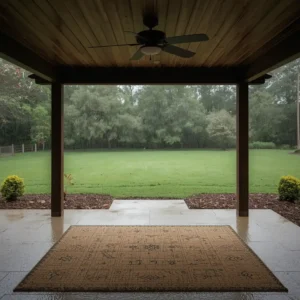
A breathable barrier underneath the rug is the first line of defense; a thin, open-weave pad lifts the jute slightly off the patio surface and lets air circulate underneath instead of trapping ground moisture directly against the fibers. Shaking the rug out weekly is the second habit worth building, since it removes surface dust and pollen that would otherwise hold onto humidity the same way soil does.
The third habit is simply checking the underside monthly, lifting a corner to look and smell for any early mildew before it has a chance to spread across the whole rug. None of these three habits require replacing the rug or moving it indoors permanently; they just treat jute the way its actual properties call for rather than the way a synthetic rug would be treated.
2 Signs Your Jute Rug Has Already Started Molding
This keyword is a Number-format search, since the searcher wants a short, checkable list. A faint musty smell that persists even after the rug looks dry on the surface is the first sign, since it means moisture is still trapped somewhere in the fiber structure underneath.
Small dark or grayish spots scattered across the weave, rather than a single stain shape, are the second sign, and it usually spreads faster than people expect once it’s visible at all. Catching either sign early and moving the rug to dry fully in sun and airflow can sometimes still save it; waiting usually doesn’t.
Best Jute Alternative for a Humid Climate: 2026 Pick
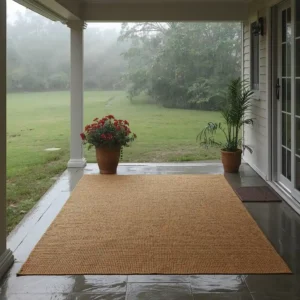
This keyword is a Guide-format search, since the searcher wants a recommendation, not a countable list or a price comparison. Solution-dyed polypropylene is the most common substitute that keeps jute’s casual, natural-looking texture.
It actually resists the moisture jute struggles with, since synthetic fibers don’t absorb water into their structure the way plant fibers do. If the earthy jute look matters more than the material itself, this substitution solves the humidity problem without changing the room’s actual aesthetic.
3 Cleaning Products Safe for Jute Rugs
This keyword is also a Number-format search, since it’s asking for a short list of safe options rather than a single recommendation. A dry carpet cleaning powder designed for natural fibers is the safest general option, since it avoids reintroducing moisture during the cleaning process itself.
A very lightly dampened cloth with mild soap works for small spot cleaning only, never a full soak, and a stiff natural-bristle brush used dry handles surface dirt and light mildew dusting without adding any water to the fibers at all. Anything marketed as a deep-clean or steam option should be avoided entirely, since it works against the one thing jute actually needs: staying as dry as possible.
Conclusion
A jute rug and a patio can coexist, and the mismatch people actually run into isn’t the material itself; it’s treating jute like it behaves the same way a fully synthetic outdoor rug does in the exact same weather. Choose a covered, breezy spot over full, unshaded sun exposure, add a breathable pad underneath the rug, and build a simple weekly shake-out along with a monthly underside check into your regular outdoor routine.
None of this requires giving up the natural, earthy look jute brings to an outdoor space; it just requires respecting what the fiber actually needs in order to stay dry through changing weather. Get that part right early on, and any jute mold outdoor patio worry mostly just disappears, since the fiber genuinely holds up far better outdoors than its reputation suggests, provided it’s placed and cared for correctly from the start, rather than treated as an afterthought once the weather turns humid on you.
Frequently Asked Questions (FAQs)
Does jute mold on an outdoor patio?
Yes, more easily than synthetic materials, since jute absorbs and holds moisture instead of shedding it. A covered, breezy placement combined with a breathable pad underneath prevents most of the risk.
Can a jute rug be used outdoors at all?
Yes, but only in a covered space with good airflow, not in full sun or fully exposed to rain. Uncovered outdoor placement is where most jute rugs run into trouble.
How often should you check a jute rug for mold?
Once a month is enough under normal conditions; weekly during unusually humid or rainy stretches, lifting a corner to check both smell and surface color.
What’s a good substitute for jute in a humid climate?
Solution-dyed polypropylene rugs mimic jute’s natural, textured look while actually resisting the moisture that causes jute to mold in the first place.
Can you save a jute rug once mold appears?
Sometimes, if it’s caught early and the rug is dried fully in the sun with airflow right away. Once mold has spread widely through the fibers, replacement is usually more practical than trying to fully clean it out.