How To Sprout Seed Paper Indoor Before You Plant a Full Sheet
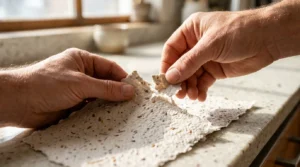
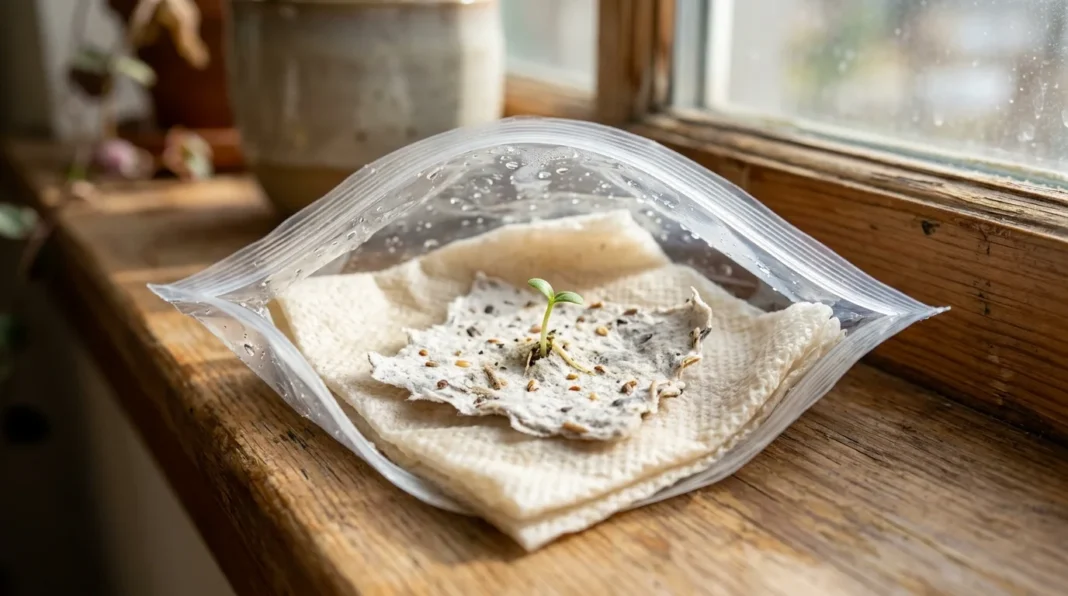
You can sprout seed paper indoor before you ever plant a full sheet outside, and it only takes a scrap the size of a stamp. Tear a corner off your finished sheet, tuck it somewhere warm and damp, and watch it for a week or two.
Key Takeaways
- Test a torn scrap of the actual seed paper, not loose seeds shaken out of a packet.
- Warm, damp, and out of direct light beats a sunny windowsill for the first few days.
- Most seeds show something within seven to fourteen days if they’re going to sprout at all.
- No sign of life by day fourteen usually means old seed, not a bad test.
- A passed scrap test is a green light. A failed one saves you a whole sheet and a few weeks of waiting.
This is not the same as testing loose seeds in a paper towel. Most gardening sites already cover that method to death. You’re testing the paper itself, seeds and all, exactly as it will behave once it goes in the ground. Three steps get you a real answer.
Three Steps, In The Order You’ll Actually Do Them
Tearing off a scrap comes first, obviously. Then it needs the right spot to sit in for a week or two. After that, you’re just reading what happened and deciding whether the rest of the sheet is worth planting. None of this needs special equipment. A saucer, a damp paper towel, and a warm corner of the kitchen cover it.
Tear Off a Scrap Before You Commit the Whole Sheet
Cut or tear a piece about the size of a large postage stamp from a corner of your finished seed paper. A corner is easiest, since it usually still has a few seeds pressed into it without disturbing the rest of the sheet. Set the main sheet aside somewhere dry while the scrap does its work.
Lay the scrap on a damp paper towel, fold another damp towel loosely over the top, and slide the whole thing into a sandwich bag left open at one corner. The seeds need moisture and a little air, not a sealed, soggy mess.
Give It A Warm, Dim Spot, Not A Sunny Window
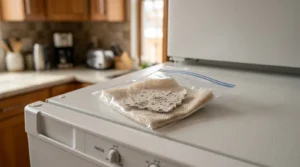
Most seeds germinate faster in steady warmth than in bright light, so the top of a refrigerator or a shelf near (not on) a heat vent works better than a windowsill for these first days. A cold draft slows everything down and can stop a viable seed from sprouting at all.
According to the University of Minnesota Extension, seeds should be started somewhere safe from heavy traffic, pets, cold drafts, and excess heat, such as an unheated basement. A windowsill can work later, once seedlings actually need light, but a south-facing one is usually the only spot in a house bright enough to matter, and even that comes with a catch worth knowing.
| Number & Insight | Source | Expert/Team |
|---|---|---|
| A south-facing windowsill is often the only spot bright enough to grow seedlings on, but starting seeds directly on a windowsill can cause water damage to the woodwork underneath | University of Minnesota Extension, “Starting Seeds Indoors” | UMN Extension |
| Seeds should be kept away from heavy traffic, pets, cold drafts, and excess heat, such as an unheated basement, while they’re germinating | University of Minnesota Extension, “Starting Seeds Indoors” | UMN Extension |
Read The Results Without Guessing
Check the scrap every couple of days without unwrapping it completely, just enough to glance at the surface. A tiny white root or a green shoot poking through the paper means the test passed. Seven to fourteen days covers most seeds; a few slow ones might take a little longer.
Nothing after two full weeks almost always points to old or poorly stored seed, not a flawed test. At that point, the honest move is to toss the scrap and either buy fresh seed or accept a lower sprout rate if you plant the rest of the sheet anyway.
3 Tested Signs Your Scrap Test Passed
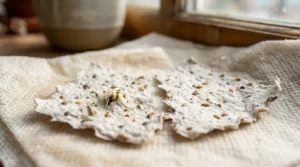
A visible root or shoot is the clearest sign, even a small one. The paper around it usually softens and starts to break down slightly too. That’s normal, not a sign of rot.
A faint musty smell with no visible growth after a week is a second, less obvious sign, and it usually means mold rather than a sprout. That scrap failed, even without an obvious root.
5 Best Places To Test Seed Paper Indoors
The top of a refrigerator, a shelf near a water heater, and the top of a router or modem all stay gently warm around the clock. That suits most seeds better than a cold windowsill. A kitchen counter away from drafts works fine too, as long as nobody moves the bag.
Avoid direct heat sources like a stovetop or a heating vent blowing straight onto the bag. Consistent, gentle warmth beats occasional intense heat every time.
3 Proven Fixes When Nothing Sprouts Indoors
Try a fresh scrap from a different corner of the sheet first, since seed distribution isn’t always even across a single sheet. Uneven pressing during the papermaking step can leave one corner thin on seeds.
If a second scrap also fails, check your water. Overly soft or heavily chlorinated tap water can slow germination for sensitive species, and letting tap water sit out overnight before use solves this for most people.
A Scrap Test Beats Guessing Every Time
Testing a torn scrap indoors takes ten minutes and tells you what an entire planted sheet would only reveal after several disappointing weeks. Warm, damp, and dim beats bright and sunny for this particular job, and two weeks is generally long enough to know one way or the other. Once a scrap passes, you can plant the rest of the sheet with a decent amount of confidence instead of hoping for the best.
The rest of the process, embedding seeds properly and planting the full sheet, is covered in the guide to plant seed paper craft. If this saved you from planting a sheet that was never going to sprout, let us know in the comments, and pass it along to anyone else who makes seed paper.
Frequently Asked Questions (FAQs)
How do you sprout seed paper indoor before planting it outside?
Tear a small scrap from a corner of the finished sheet, sandwich it between two damp paper towels inside a loosely closed bag, and keep it somewhere warm and dim for one to two weeks to see if it sprouts.
How long does it take for seed paper to sprout during an indoor test?
Most seeds show a root or shoot within seven to fourteen days. Slower species can take a little longer, but nothing at all after two full weeks usually means the seed is too old.
Should you test seed paper in a sunny window or a dark spot?
A warm, dim spot works better for the germination stage than a sunny window. Bright light matters more once a seedling actually appears, not before.
What does it mean if your seed paper scrap test fails?
A failed test almost always points to old or poorly stored seed rather than a flawed process. It’s worth trying a second scrap from a different part of the sheet before giving up entirely.
Can you still plant a sheet after a failed scrap test?
Yes, though expect a lower sprout rate than a fresh batch would give you. Many people plant it anyway since a partial patch of flowers still beats none at all.