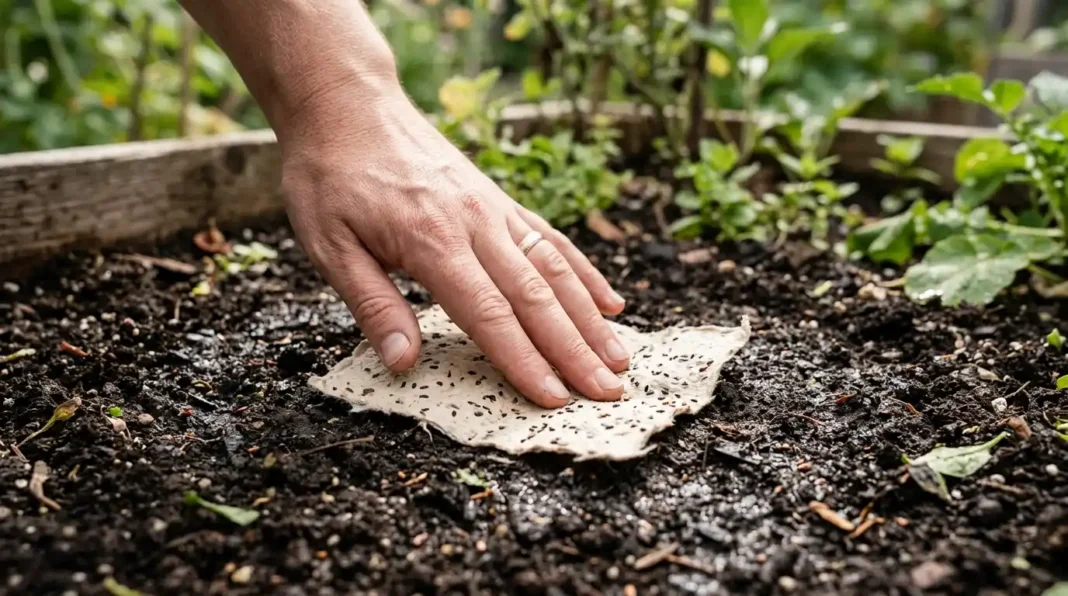
How To Plant Seed Paper Craft in 5 Steps
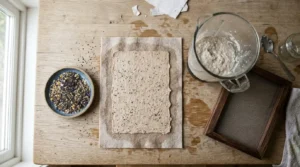
Here’s how seed paper works. You press wildflower seeds into wet paper pulp. Let it dry into a sheet. Then plant the whole sheet in soil, just like a seed packet. The paper breaks down. The seeds sprout. That’s the whole idea, and it’s easier than it sounds once you’ve made one sheet.
Key Takeaways
- Small seeds (basil, poppy, most wildflowers) work best. Big seeds tear the paper as it dries.
- Press seeds into the pulp while it’s still wet, not after the sheet has dried.
- Water the planted paper daily for the first two weeks. It needs to stay damp, not soaked.
- Plant it shallow, barely covered with soil, since most wildflower seeds need some light to sprout.
- A sheet that never sprouts is almost always a watering problem, not a bad batch of paper.
This guide covers making your own seed paper from scratch and planting it so it actually grows, not just sits in a drawer looking pretty. Four more skills round it out, from picking the right seeds to fixing paper that never sprouted, and you’ll find all five below.
Five Things You Need to Get Seed Paper Right
Making the paper is really just one piece of this. You also need to know which seeds to use, how to get them sprouting reliably (indoors first, if your climate calls for it), how to plant a full sheet outside, and what to do if nothing comes up after a few weeks.
The guide below covers embedding and planting seed paper itself, plus these four related skills, in the order most people actually run into them.
Choosing Seeds That Actually Work in Seed Paper
Not every seed survives the papermaking process, so picking the right ones matters more than most guides mention. Small, tough seeds like wildflowers, basil, and poppy hold up fine, while large or fragile seeds tend to tear the paper or rot before they ever get planted.
Here’s something worth knowing before you pick a mix: native plants pull in roughly four times more pollinators than non-native ones. That’s from the Xerces Society, a nonprofit focused on pollinator conservation. Matters a lot if you want your seed paper to actually do something once it grows, not just look nice.
| Insight | Source | Expert/Team |
|---|---|---|
| Native wildflowers are about four times more attractive to pollinators than non-native species, and many butterflies will only lay eggs on native plants. | Xerces Society, “Picking Plants for Pollinators” | Xerces Society |
Want the full species list? Here’s which wildflower seeds actually work in seed paper, and why size matters this much.
Sprouting Seed Paper Indoors Before You Commit a Whole Batch
Test a small scrap of seed paper indoors first. Use a damp paper towel or a shallow tray. This tells you if your seeds are still viable. No need to plant a whole sheet outside and wait weeks to find out the hard way. It’s especially worth doing with seeds that have sat around a year or two.
One thing worth checking before you plant: how old are your seeds? A packet loses viability every year it sits in storage. That’s according to the University of Minnesota Extension. They run one of the more thorough seed-starting guides around. Test old seeds first. Save yourself from wasting a whole sheet on seeds that were never going to sprout anyway.
| Insight | Source | Expert/Team |
|---|---|---|
| Seed viability drops year over year in storage, and leftover seeds should be kept in a cool, airtight container (the refrigerator works well) to slow that decline. | University of Minnesota Extension, “Starting Seeds Indoors” | UMN Extension |
There’s a full setup for this, damp towel, tray, timing, and all, in sprouting seed paper indoors.
Embedding Seeds and Planting the Paper Itself
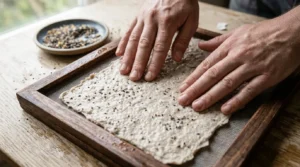
Making seed paper starts the same way as regular homemade paper. Form a sheet of pulp on your mould. Press seeds into the wet surface before it dries. Space them out so the paper doesn’t tear once it’s planted and starts breaking down. Pressing too hard, or piling seeds in one thick clump, is the most common reason a sheet tears in one spot later.
Once the sheet is dry, planting it is simple. Lay it flat in a shallow hole or a pot. Cover it with no more than a quarter inch of soil. Water it right away. Wikipedia’s entry on seed paper notes that U.S. papermakers have made paper with embedded seeds since 1941. Other countries had already been folding seeds into handmade paper for centuries before that. It’s not a new trick. It’s just one that’s popular again, mostly for cards and invitations that double as something you can grow.
| Insight | Source | Expert/Team |
|---|---|---|
| Seed paper has been made in the U.S. since 1941, and the practice of folding seeds into handmade paper goes back centuries in other countries. | Wikipedia, “Seed paper” | Wikipedia contributors |
Keeping the paper consistently damp for the first two weeks matters more than almost anything else here. A sheet that dries out even once during that window often just stops, seeds and all, and won’t pick back up even if you start watering again.
Growing Seed Paper in Your Garden Once It Sprouts
Seed paper planted directly in a garden bed behaves a little differently than seeds sown the normal way. The paper holds moisture around the seeds longer. That helps in a dry spell. It can invite mold in a wet one. Picking a spot with decent drainage solves most of that problem before it starts.
Check your seed packet’s germination rate before you trust it with a whole bed. That’s the advice from Clemson Cooperative Extension’s Home & Garden Information Center, a resource South Carolina gardeners lean on for exactly this kind of question. Old or poorly stored seed can drop well below a usable rate, and you can’t tell just by looking at it.
| Insight | Source | Expert/Team |
|---|---|---|
| A germination rate of 70% or lower usually means it’s time to replace that seed instead of counting on it for a full planting. | Clemson Cooperative Extension, Home & Garden Information Center | Clemson HGIC |
Bed prep and spacing matter more outdoors than in a pot. That’s the whole subject of growing seed paper in your garden.
Fixing Seed Paper That Never Sprouted
Nothing come up after two or three weeks? The paper almost certainly dried out at some point. Inconsistent watering causes most failed batches. A few other things can go wrong too: old or non-viable seeds, planting too deep, or seeds that needed a cold period before they’d sprout at all.
Seedbed prep matters as much as seed quality, maybe more. The USDA’s Natural Resources Conservation Service backs this up. They oversee large-scale wildflower and native seeding projects, and prep is one of the biggest factors in whether a planting takes at all.
| Insight | Source | Expert/Team |
|---|---|---|
| Failure to establish a seeding is commonly traced back to poor seedbed preparation, including a seedbed that’s too loose or too dry near the surface, not just bad seed. | USDA Natural Resources Conservation Service, “Seedbed Preparation for Conservation Plantings” | USDA NRCS |
Not sure if yours is worth saving? Fixing seed paper that won’t sprout walks through how to tell.
5 Best Seeds For A DIY Seed Paper Card
Wildflower mixes, basil, poppy, and other small, tough seeds are the most reliable choices for seed paper. They survive pressing and drying without much trouble. Herbs like thyme and oregano work well too, and they’re a nice pick for kitchen-themed cards.
Avoid large seeds like sunflowers or beans. They’re heavy enough to tear a thin sheet as it dries. They also need more planting depth than seed paper allows anyway.
3 Tested Signs Your Seed Paper Is Ready To Plant
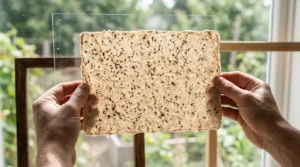
A finished sheet should be completely dry, with no damp or cool spots left when you press your palm against it. Hold it up to a light and you should be able to see the seeds sitting in the paper without any large tears running through the sheet.
If it still feels the slightest bit cool or flexible in one spot, give it another day before planting. Paper that isn’t fully dry tends to mold in the soil before the seeds ever get a chance to sprout.
5 Proven Fixes For Seed Paper That Won’t Dry Flat
Seed paper that curls as it dries usually just needs weight. Pressing it under a book or a flat board while it finishes drying keeps the edges from lifting, the same fix that works for regular handmade paper.
If it’s warping badly, check how thick the pulp layer was to begin with. A sheet spread too thick holds onto moisture unevenly, and that uneven drying is what causes the worst warping. Thinner, more even sheets dry flatter almost every time.
A Sheet Of Seed Paper Is A Whole Garden Waiting
Seed paper only takes two real skills. Get the seeds embedded in a sheet that survives drying. Water it enough that they actually sprout once it’s in the ground. Everything else just supports those two things: picking the right seeds, testing indoors first, growing it in the garden, fixing a batch that failed. Once you’ve got the basics down, the rest is easy.
Before any of this works, you need pulp to embed the seeds into. That whole process, soak times, ratio, all of it, is covered start to finish in the guide to how to make homemade paper pulp.
Frequently Asked Questions (FAQs)
How do you make and plant seed paper craft?
You press small seeds into a wet sheet of paper pulp, let it dry flat, then plant the whole sheet in soil under about a quarter inch of dirt and water it daily for the first two weeks until the seeds sprout.
What seeds work best for seed paper?
Small, tough seeds like wildflowers, basil, and poppy work best, since they survive the pressing and drying process without tearing the paper. Large seeds like sunflowers or beans are too heavy and usually need more planting depth than seed paper allows.
Why didn’t my seed paper sprout after I planted it?
It’s almost always a watering problem. Seed paper that dries out even once in the first two weeks tends to stop sprouting entirely, so keeping it consistently damp matters more than anything else.
How deep should you plant seed paper?
Plant it shallow, under no more than a quarter inch of soil, since most wildflower and herb seeds used in seed paper need some light exposure to germinate.
Can you test if seed paper will sprout before planting a full sheet outside?
Yes, tear off a small scrap and place it in a damp paper towel or shallow tray indoors for a week or two. Nothing sprouts from that scrap? Don’t bother with the rest of the sheet. The seeds are probably too old.