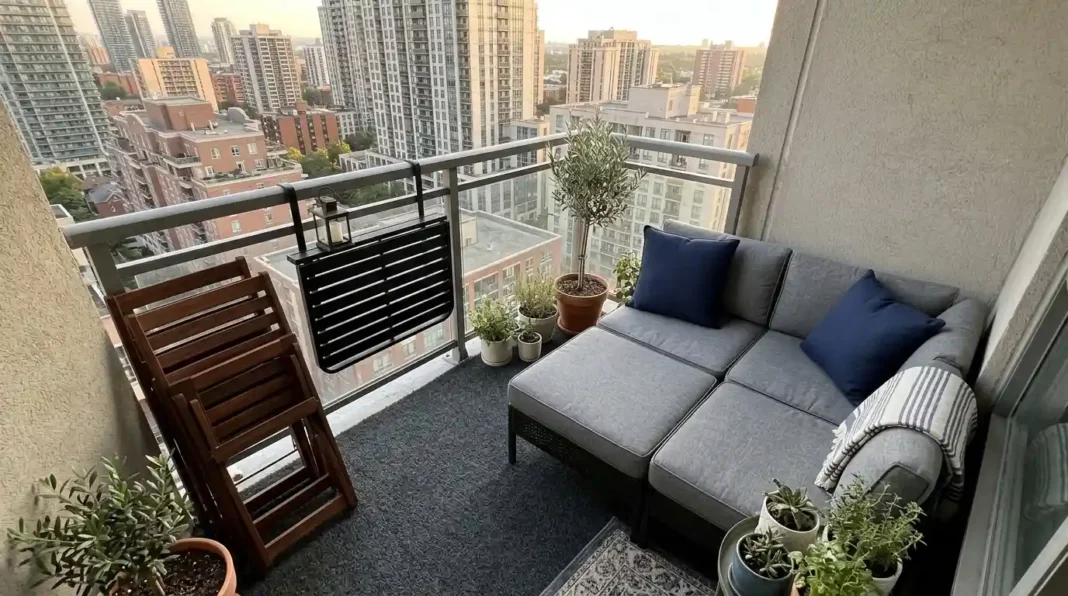
The Best Outdoor Sectional Small Patio Picks Compared
An outdoor sectional small patio pick works when the pieces reconfigure instead of locking into one fixed shape, turning a cramped 6×8 balcony into a real living room. Look for modules under 30 inches deep, powder-coated aluminum or HDPE wicker frames, and single chairs that separate from the corner unit whenever guests leave. Most small patios fail not from a lack of furniture, but because that furniture cannot flex between two chairs for coffee and six seats for dinner.
Key Takeaways
- Modules under 30″ deep fit patios as small as 6×6 feet without blocking walkways
- Powder-coated aluminum and HDPE wicker resist rot and rust better than natural wicker or untreated wood.
- Sectionals that separate into single chairs adapt to 2-person mornings and 6-person dinners.
- Solution-dyed, quick-dry foam cushions cut post-rain wait time to under an hour.
- Corner-anchored layouts leave a clear walking path even on patios under 80 square feet.
That flexibility is the whole idea behind a modular outdoor sectional small patio build, since one footprint can swap from a solo reading nook into a full patio party. This guide ranks seven configurations for tight balconies and starter patios, pairing four of them with the wall table, stacking chairs, storage, or bench that completes the layout. Scroll past the takeaways below and jump to whichever pick matches your square footage.
Seven Ways to Configure a Small-Patio Sectional
Every pick below solves a different space problem, from a 6-foot-wide balcony to an L-shaped condo patio. Three of the seven stand on their own as sectional configurations; four pair your outdoor sectional small patio pick with a seating, dining, storage, or bench piece that rounds it out, and the middle pick covers the frame materials worth checking before you buy anything.
The 3-Piece Corner Sectional for 6×6 Patios
A three-piece corner sectional is the smallest true configuration that still feels like a sectional rather than a loveseat, making it the natural start for a true 6×6 footprint. It seats two to three people while leaving a walking path to the door, since the corner module anchors the layout and the two straight modules run along a single wall. Depth matters most here, since anything over 30 inches starts eating the same floor space a dining chair would need.
This configuration also holds its shape well under weight, since a three-piece frame spreads seating pressure across two connection points instead of one long unsupported span. That balance is exactly what commercial seating standards are built to test for, which is why the table below leans on real industry guidelines rather than a marketing claim.
| Number & Insight | Source | Expert/Team |
|---|---|---|
| ANSI-accredited standards for lounge and public seating set the stability and durability test methods that a three-piece sectional frame is built to meet. | BIFMA | BIFMA Engineering Committee |
The L-Shaped Sectional Paired With Stackable Dining Chairs
An L-shaped four-piece sectional opens up a second seating axis, which works well on patios closer to 8×8 where a straight three-piece layout would leave an awkward empty corner. Pulling two to four stackable chairs in only when company shows up doubles seating capacity without buying a bigger sectional than the space actually needs.
Matching stackable outdoor dining chairs for balconies to your sectional’s frame metal keeps the whole set aging at the same rate. Stackable chairs also solve the storage problem that stops most small-patio owners from buying extra seating at all. A chair that nests to six inches or less tucks behind the sectional instead of blocking the doorway, and the whole stack folds flat against a railing during winter.
| Number & Insight | Source | Expert/Team |
|---|---|---|
| A dedicated outdoor furniture subcommittee maintains performance standards specifically for stacking and other plastic patio chairs, covering load and stability testing. | ASTM International | ASTM F15.33 Subcommittee |
The Compact Sectional Anchored to a Fold-Down Wall Table
A two-piece compact sectional paired with a wall-mounted table that folds flat solves the biggest complaint about small-patio seating: the coffee table that eats the last 18 inches of walking room. Mount the table beside the sectional’s corner module so the two pieces share a sightline, and choose a bracket rated for at least 50 pounds so a full tray of drinks does not test the hinge.
A fold-down wall mounted patio table in this spot also frees the floor for stackable chairs when both come out for a gathering. Wall-mounted furniture only stays safe when it is actually anchored into a stud or rated masonry anchor, not just screwed into siding that was never built to hold weight.
| Number & Insight | Source | Expert/Team |
|---|---|---|
| CPSC’s national safety campaign recommends securing any wall-mounted furniture piece with a rated anchor kit rather than mounting screws alone | CPSC | CPSC Anchor It! Program |
The Frame Built to Real Durability Standards
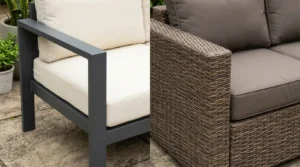
Every outdoor sectional small patio buyer eventually asks the same question: will this frame actually survive outside? Powder-coated aluminum resists rust indefinitely and stays light enough to rearrange solo, while HDPE resin wicker will not rot or splinter the way natural rattan does after a wet season.
Teak looks better over time but needs an annual oil treatment, a fair trade for buyers who want the material to weather rather than just endure it. The performance testing behind these material claims is not marketing copy; it comes from the same durability standards used across the commercial furniture industry. The table below details furniture durability guidelines established by BIFMA specialists.
| Number & Insight | Source | Expert/Team |
|---|---|---|
| ANSI-accredited standards for lounge and public seating set the stability and durability test methods that quality sectional seating frames are built to meet. | BIFMA | BIFMA Engineering Committee |
The Sectional Built Around Hidden Storage
A storage-base module hides cushion covers, citronella candles, and the pool noodles nobody wants visible, but only if the compartment can breathe. Look for a base with a drainage gap or vented liner rather than a fully sealed tub, since a sealed box that traps even a cup of rainwater becomes a mold risk within two days. Pairing this pick with compact patio furniture with hidden storage elsewhere on the patio multiplies the benefit without adding a visible cabinet.
Cushions stored inside a hidden compartment should go in dry, not just rain-free, since humidity alone is enough to start the problem indoors or out. A five-minute check after each storm, lid open, cushions tilted to air out, prevents most of the smell and staining that sends people shopping for replacements.
| Number & Insight | Source | Expert/Team |
|---|---|---|
| Enclosed spaces holding residual moisture can develop mold within 24 to 48 hours without adequate airflow or drying time. | EPA | EPA Indoor Environments Division |
The Sectional Plus Lightweight Storage Bench
Every modular layout leaves an odd-shaped gap somewhere, usually beside a railing or under a window, and a lightweight bench fills it better than a fifth sectional module ever could. A bench under 25 pounds can be lifted and moved solo when the sectional gets reconfigured for a party, unlike a heavier module that needs two people to shift.
Adding a lightweight balcony bench with cushion storage in that gap also picks up overflow storage the base module could not fit. Choose a bench with a lid that locks in an open position, since a lid that slams shut on its own is both a pinch hazard and the reason most owners stop using the storage after the first bruised finger.
| Number & Insight | Source | Expert/Team |
|---|---|---|
| ANSI-accredited storage furniture standards set the baseline load and drop tests that quality storage benches are built to pass. | BIFMA | BIFMA Engineering Committee |
The 5-Piece Expandable Sectional for Growing Patios
A five-piece expandable set is the largest configuration worth considering for a small patio, and it only makes sense once the footprint clears roughly 10×10, since anything smaller turns a fifth module into a walkway obstruction. The advantage over a fixed five-seat sofa is real: every module still separates individually, so the set can shrink to three pieces for a quiet week and expand again for a holiday crowd.
Buyers upgrading their outdoor sectional small patio pick to this size should recheck frame material carefully, since five connected modules place more cumulative stress on connector hardware than a two- or three-piece layout ever will.
| Number & Insight | Source | Expert/Team |
|---|---|---|
| The same outdoor furniture subcommittee that governs stacking chairs also maintains load and joint-stability test methods that apply to multi-module seating sets. | ASTM International | ASTM F15.33 Subcommittee |
Is a 3-Piece Sectional Big Enough for a 6×6 Patio? (2026 Pick)
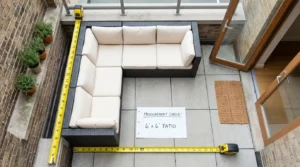
For most buyers, a three-piece outdoor sectional small patio configuration is the largest layout that still leaves a walking path on a true 6×6 footprint, seating two to three comfortably with room to add a stackable chair when needed. Anything larger than three pieces tends to block the door swing or force the dining table into the yard, which defeats the point of buying modular furniture in the first place.
If the patio measures closer to 6×8 or larger, a four-piece configuration with a corner unit and an armless chair usually fits without crowding, since the extra two feet of depth is exactly what a fourth module needs. Measure the door swing and any railing overhang before ordering, since online listings rarely account for either.
Aluminum vs Wicker Frames: Which Adds $200 in Value?
Aluminum frames typically cost $150 to $250 more than a comparable HDPE wicker set at the same seat count, and that premium mostly buys lighter weight and a slimmer profile rather than longer lifespan, since both materials resist rust and rot well when properly finished. Buyers who rearrange furniture often should lean aluminum for the weight savings alone.
Wicker sets close most of that value gap with texture and a warmer look that reads less industrial on a small patio, which matters more on a balcony where the furniture sits a few feet from the dining table indoors. Either material holds up outdoors for years when the resin or coating is rated for full sun exposure rather than partial shade.
How Long Do Modular Cushions Last Outdoors? A 3-Year Reality Check
Solution-dyed acrylic cushions with a quick-dry foam core typically hold their color and shape for three to five outdoor seasons before fading becomes noticeable, assuming they are stored dry through winter rather than left out under a tarp. Cheaper polyester covers over standard foam usually show wear within eighteen months in full-sun locations.
Rotating cushions seasonally and brushing off standing water within the first hour after rain adds real years to that lifespan, since it is trapped moisture rather than sunlight alone that breaks down foam fastest. A hidden-storage base or a bench like the ones covered above makes that daily habit far more realistic to keep up.
Conclusion
A modular sectional earns its price the moment your patio needs to double as a quiet morning spot and a six-person dinner table without buying separate furniture for each. The lesson from every pick above is the same: buy for reconfiguration first, then check the frame material against real durability standards before the first rainy season tests it. A fixed three-seat sofa simply cannot flex the way a true modular set can. This is really a space-planning problem more than a shopping one, and it shows up the same way on cramped balconies, starter patios, and rooftop decks alike.
Get the frame material and module count right, and the wall table, stacking chairs, storage, and bench all fall naturally into place around it. Save this whole guide, pick the exact configuration that actually matches your real square footage, and drop your patio’s exact width and depth in the comments below. If wind and heat sit higher on your priority list than seating count, our companion pillar on the smokeless fire pit for wooden deck cluster covers the next piece most small-patio owners add once seating is solved.
Frequently Asked Questions (FAQs)
Is a modular outdoor sectional good for a small patio?
Yes, an outdoor sectional small patio setup is one of the strongest small-space options available in 2026 because it reconfigures as your guest count or square footage changes, unlike a fixed-frame sofa that only works one way.
How much space do I need for an outdoor sectional?
Most three-piece corner sectionals need at least a 6×6 footprint to leave a walking path, while four- and five-piece configurations generally need closer to 8×8 or 10×10 to avoid blocking a doorway or railing.
Can modular sectionals get wet in the rain?
Aluminum and HDPE wicker frames handle rain without damage, but cushions should still be covered or stored, since it is trapped moisture in the foam, not the frame, that causes the most long-term wear.
What’s the best material for a small balcony sectional?
Powder-coated aluminum is usually the best fit for a small balcony because it stays light enough to move solo, resists rust, and does not add the bulk that wicker or wood frames bring to a tight footprint.
How do I keep a modular sectional from blowing away?
Choose modules heavy enough to resist wind on their own, add furniture clips at the connection points between pieces, and store any lightweight accent chairs indoors when a storm warning is active.