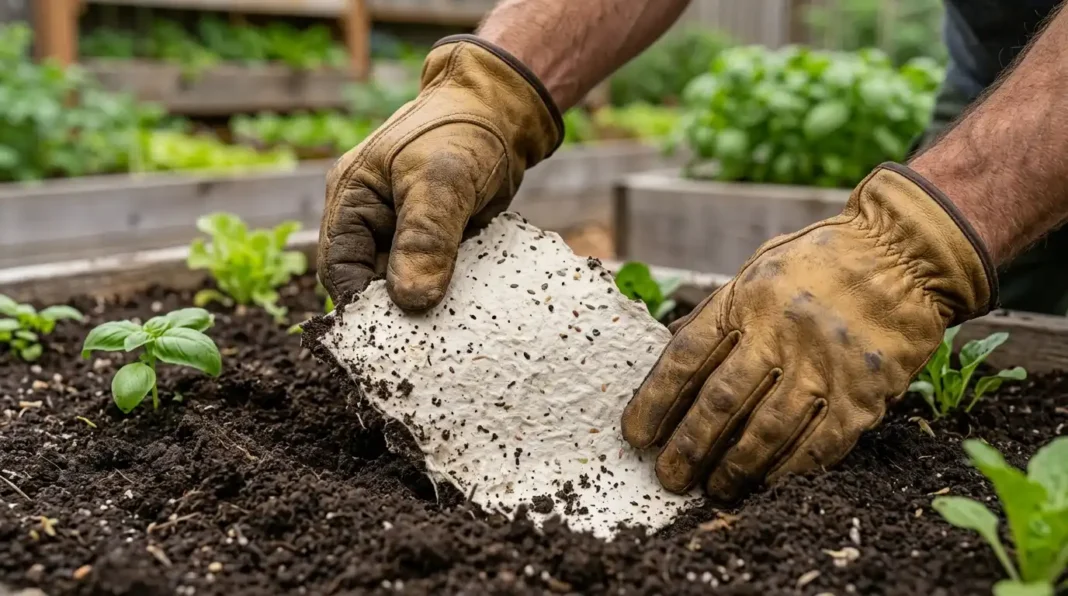
How To Fix Unsprouted Seed Paper Before You Give Up On It
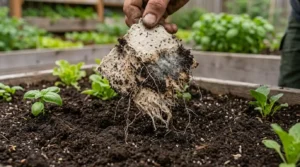
Three weeks, nothing. That’s usually when people give up on seed paper, and it’s also exactly the wrong time to give up, because the sheet itself still has the answer buried in it. To fix unsprouted seed paper, you don’t need to guess. You need to dig it up and look.
Loose seed disappears into the dirt with no trace. Seed paper doesn’t. The paper holds together for weeks, sometimes longer, and what’s left of it tells you almost exactly what went wrong: mold, dry rot, nothing at all; each one points somewhere different.
Key Takeaways
- Dig up a small corner before assuming the batch is dead. The paper itself holds the clue.
- Mold or a sour smell means moisture, not timing. Dry, intact paper usually means something else.
- Some wildflower species need a cold spell before they’ll sprout at all, not a watering fix.
- Weeds and a crusted soil surface can choke out a sheet that was never actually a bad batch.
- Most failures are fixable on the next attempt, not a sign the paper itself was flawed.
None of this requires starting from scratch to figure out. A shovel and ten minutes tell you more than another week of waiting ever will.
Three Checks Before You Call It A Loss
Dig first. What you find decides everything after that, whether it’s a watering problem, a timing problem, or something in the soil itself working against the sheet. Each check below rules something in or out. Run through them in order and you’ll usually land on an answer by the third one.
Dig Up The Sheet And Read What It Tells You
Pull back a small corner of soil, carefully, and see what’s actually there. A gray, slimy, foul-smelling scrap means mold got to it. That almost always traces back to too much water sitting against the paper for too long. A dry, mostly intact sheet with no smell at all usually means something slower: either the seeds needed more time, or they needed a condition they never got.
If the paper has broken down into fine, soil-like debris but nothing grew, that’s actually a decent sign. It means moisture and time did their job on the paper. The seeds themselves are the likely problem: old, nonviable, or still dormant.
Check Whether The Seed Needed A Cold Spell First
Some wildflower seeds won’t sprout no matter how well you water them, because they’re waiting on a cue that hasn’t happened yet. Certain native species need a stretch of cold, damp weather before they’ll break dormancy. It’s their built-in way of making sure they don’t sprout right before winter kills them. Plant one of these in late spring expecting quick results and you’ll wait a long time for nothing, through no fault of your technique.
It isn’t just the seed working against you, either. USDA’s Natural Resources Conservation Service has documented wildflower seeding failures tied to the soil surface itself. A crusted layer can form after rain and dry hard. That cuts off the air and water exchange seeds need to germinate. Weeds that get a head start cause the same kind of quiet failure, crowding out a planting before it ever has a chance.
| Number & Insight | Source | Expert/Team |
|---|---|---|
| Soil crusting after rain can reduce infiltration and air exchange at the surface. That’s exactly where a shallow-planted seed needs that exchange most. | USDA Natural Resources Conservation Service, Plant Materials Technical Note No. 71 | USDA NRCS |
| Weed competition in the weeks after seeding can result in little or no establishment of the planted species, even with otherwise good seed. | USDA Natural Resources Conservation Service, Plant Materials Technical Note No. 71 | USDA NRCS |
Decide Whether To Replant Or Start Over
If the dig-up points to mold, that sheet is done. Pull it. Fix the drainage or ease up on watering. Then try a fresh sheet instead of fighting the same spot again. If it points to dormancy or timing, there’s often nothing wrong at all; some species simply need a full season, including a winter, before anything shows.
A crusted, compacted surface is worth breaking up gently with a fork before writing off a planting entirely. Sometimes the seed was fine and the soil just needed loosening to let it breathe.
3 Tested Signs Mold Killed Your Seed Paper
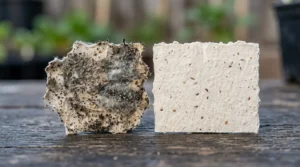
A sour or musty smell is the first and most reliable sign. Healthy soil doesn’t smell like that. Second, look for discoloration. Gray, black, or greenish fuzz on the paper or the soil touching it. Third, check the texture. Slimy means mold. Just soft and breaking apart naturally is normal decomposition, not a problem.
Any one of these on its own is worth a second look. All three together means the sheet is not coming back. The fix is drainage or less water next time. Not patience.
5 Best Reasons A Seed Needs More Time, Not A Redo
Cold-season wildflowers bred to sprout after winter are the most common reason. Give them the winter they’re waiting for. Some seed is simply slow by nature; certain perennials take three to four weeks even under ideal conditions, well past when faster annuals would already be up.
A cooler-than-average season slows everything down a little, and a thick layer of mulch, while good for moisture, can also delay how fast soil warms in spring. None of these mean failure. They mean wait a little longer before you dig anything up.
3 Proven Steps For Replanting After A Failed Sheet
Clear out whatever’s left of the old sheet first; moldy paper won’t help a new planting and can hold onto fungal spores. Fix whatever caused the first failure: better drainage, less water, a looser soil surface, before the second sheet goes anywhere near that spot.
Pick fresh seed if the first batch’s problem traced back to old or nonviable seed rather than conditions. A second failure from the same tired seed teaches you nothing new.
The Sheet Tells You What Happened. You Just Have To Look
Seed paper that never sprouted isn’t a mystery if you’re willing to dig up a corner and look at what’s actually there. Mold means too much water. Dry and intact often means timing or dormancy. Soil-like debris with nothing growing usually points back to the seed itself, old stock or a species that was never going to sprout on your schedule to begin with.
Everything about getting a sheet planted correctly in the first place, picking the right seed, embedding it properly and watering it right, is covered start to finish in the guide to plant seed paper craft. Worth a read before your next attempt, either way. If digging up your sheet solved the mystery, tell us what you found in the comments and pass this along to anyone else about to give up on a patch that hasn’t sprouted yet.
Frequently Asked Questions (FAQs)
Why hasn’t my seed paper sprouted after several weeks?
Dig up a small corner and check. Mold or a sour smell means too much moisture. Dry, intact paper with no smell usually means the seed needs more time, a cold spell, or better soil conditions rather than a failed batch.
How do you know if seed paper failed from mold or just needs more time?
Smell and texture tell you. A sour or musty smell with slimy, discolored paper is mold. Dry paper with no smell, even if it’s starting to break down naturally, usually means patience is the answer, not a redo.
Do some seeds need cold weather before they’ll sprout?
Yes. Certain native wildflower species need a period of cold, damp conditions to break dormancy before they’ll germinate at all. It’s a natural safeguard against sprouting too early, right before a frost. Planting these in late spring and expecting quick results won’t work.
Can soil crusting stop seed paper from sprouting?
It can. A hard crust forming on the soil surface after rain cuts off the air and water exchange seeds need, according to USDA research on wildflower seeding. Gently breaking up a crusted surface can help a stalled planting.
Should you replant on top of a failed sheet of seed paper?
Only after clearing away what’s left of the old one, especially if mold caused the failure. Fix whatever went wrong first, drainage, watering, soil crusting, before a new sheet goes into the same spot.