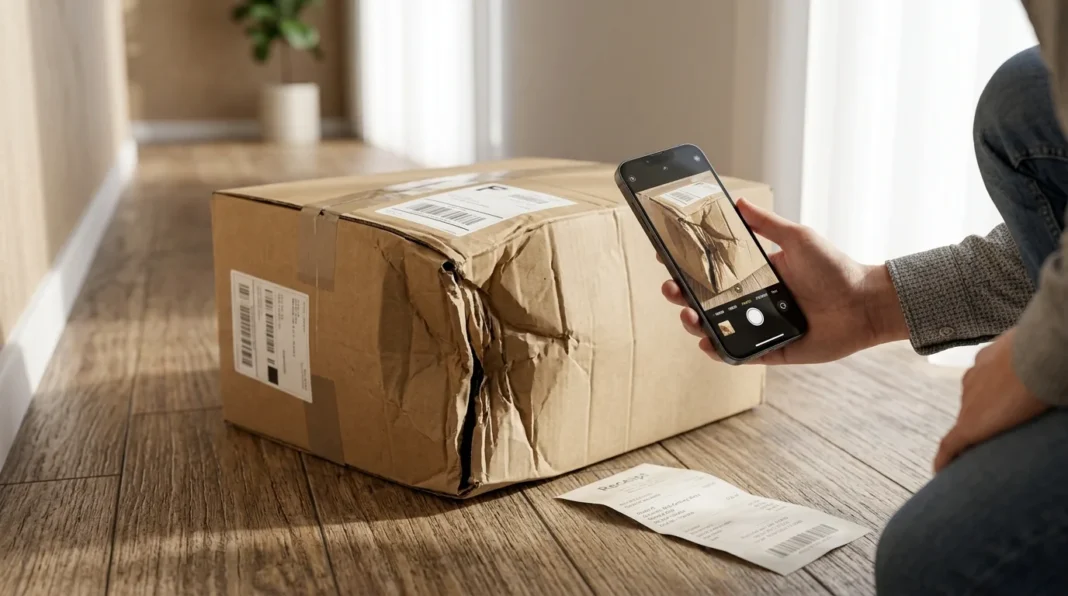

How To Fix Damaged Delivery Item Without Losing Your Refund

The fastest way to fix damaged delivery item is to photograph the damage and contact the seller right away. Keep the box and every label. Save your order email and receipt. The FTC says most businesses will work with you to resolve a problem and keep you as a customer. If the seller does not help you, have a second path through your card company. This guide shows the three mistakes that cost shoppers their refunds.
Key Takeaways:
- Photograph the box and the item and keep the packaging before you do anything else.
- For quality problems, contact the seller first because the FTC says quality disputes are not billing errors.
- Card dispute letters must reach the issuer within 60 days after the first bill with the error was sent.
- The federal card protection for defective goods has conditions, including withholding payment and a purchase over $5.
- Debit card protections are weaker, so contact your bank as soon as you notice a problem.
A damaged parcel feels urgent. Stress leads to quick moves that hurt later. People toss the packaging or skip the seller. They also wait too long. Each slip can weaken a claim and cost real money. Work through the three mistakes in order. Take your photos first. Keep every message in one folder. Bookmark this guide before your next big delivery so the steps are ready the moment a crushed box arrives.
Three Mistakes That Sink A Damaged Delivery Claim
Three mistakes cause most failed damage claims. The first is losing proof. The second is going to the wrong party first. The third is letting the clock run out. Each one has a simple fix that takes minutes. Read them in order and check your own order against each fix before you act.
Throwing Away The Proof Too Soon
Proof wins damage claims. The FTC says to keep confirmations, receipts, tracking numbers and all communications with the company. Note the website you ordered from, the order date and any shipping promises. Add your own photos. Take them before you move or open anything further. Photograph the outer box, the label and the damaged item from several angles. Keep the packing material. The photos are my practical advice and not an FTC rule (verified October 2026).
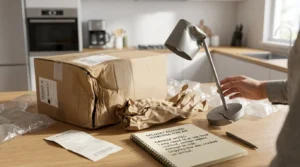
Do not toss the box the same day. Store it somewhere safe until the claim ends. Write a short note with the date and time of delivery and what you saw. Save screenshots of the listing and any message from the carrier. To fix damaged delivery item smoothly, collect everything in one folder named for the order. Copies are enough when you send documents. The FTC says to include copies and not originals when you write to a card issuer.
Going To The Card Company Before The Seller
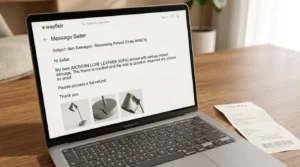
Many shoppers call the card company first. For a damaged item, that can be the wrong first move. The FTC says disputes about the quality of an item are not billing errors. It says to contact the seller first for quality problems. Most businesses will work with you to resolve the problem and keep you as a customer. State the damage and attach your photos. Say what you want. Ask for a refund or a replacement and keep the reply (verified October 2026).
Know the card route as a backup. The FTC says the federal protection for defective goods needs several things. You must withhold payment. The purchase must cost more than $5. It must be made in your home state or within 100 miles of your billing address. You must first try to resolve it with the seller. Read the FTC guide to using credit cards and disputing charges before you file. The table below details card dispute guidelines established by FTC specialists.
| Number & Insight | Source | Expert/Team |
|---|---|---|
| The federal card protection for defective or damaged goods has three conditions: withholding payment, a purchase over $5 made in your home state or within 100 miles of your billing address and a first try at resolving it with the seller (verified October 2026) | FTC, Using Credit Cards and Disputing Charges | FTC consumer education |
| If the seller is also the card issuer, such as a store card used at that store, the $5 and distance limits do not apply, but you must still try to resolve it with the seller first | FTC, Using Credit Cards and Disputing Charges | FTC consumer education |
| Send the letter to the address for billing inquiries and not the payment address and include copies and not originals. | FTC, Using Credit Cards and Disputing Charges | FTC consumer education |
| For quality problems, contact the seller first and for other billing problems, contact the issuer right away. | FTC, Using Credit Cards and Disputing Charges | FTC consumer education |
Letting The Clock Run Out
Time rules matter for card disputes. The FTC says your letter must reach the issuer within 60 days after the first bill with the error was sent to you. A slow seller can push you past that date. The FTC warns not to let the seller process drag on because you could miss your card dispute protections. Set a calendar reminder the day the damaged item arrives. Count the 60 days from the statement date and not from the delivery date.
Use a clear timeline with the seller. Give a short deadline for a reply, such as five business days. That is my suggestion and not an FTC rule. To fix damaged delivery item before the window closes, send the dispute letter anyway if time is nearly gone. Use certified mail with a return receipt. Keep a copy of your letter. The FTC says the issuer must acknowledge your complaint in writing within 30 days unless it is resolved. Report dishonest sellers at ReportFraud.ftc.gov if problems remain.
What Happens In The 60 Days After You Dispute A Charge? (Timeline)
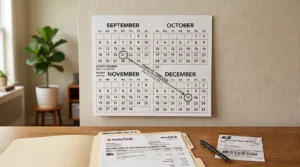
A dispute follows a set timeline. The FTC says the issuer must acknowledge your complaint in writing within 30 days unless the problem is already resolved. It must resolve the dispute within 90 days. While it investigates, you can withhold payment on the disputed amount and related finance charges. You still owe the undisputed part of the bill. Keep paying that part on time and keep your records close.
The FTC also lists protections. The issuer cannot sue to collect the disputed amount. It cannot threaten your credit rating or report you as delinquent over it. If it decides the bill is correct, it must explain in writing how much you owe and why. You can ask for copies of documents that support the charge. You can also file a complaint with the Consumer Financial Protection Bureau. Save every letter you receive.
Does A Damaged $250 Lamp Count As A Billing Error? (Example)
Usually not. The $250 price is an example. The FTC says disputes about the quality of an item are not billing errors. A damaged lamp is a quality problem. Billing errors cover items you did not accept or that were not delivered as agreed. They also cover wrong amounts and unauthorized charges. So a damaged lamp follows the quality route. Contact the seller first. Then check the conditions for the federal card protection with your issuer.
Those conditions include withholding payment and a purchase over $5. They also include buying in your home state or within 100 miles of your billing address. That limit can matter for online orders from distant sellers. Ask your card issuer how it treats your order. The FTC says you can generally pursue the same state-law claims against the issuer that you could against the seller. State rules vary. Keep your photos and messages ready.
Do Debit Cards Protect You The Same Way? (2026 Check)
No. The FTC says debit card protections are weaker. You may not get a refund for non-delivery or a wrong item. Contact your issuer as soon as you notice a problem. That is often your bank. Call first and then follow up with a letter. Some issuers voluntarily offer more protection, so ask what yours does. Do not assume a damaged item is covered. Get the answer in writing if you can.
Plan ahead for large orders. Use the card that gives the strongest protection when you can. The FTC says credit cards offer legal protections for problems with a transaction or delivery. That advice comes from its Online Shopping guide. Check your statement for the charge after delivery. Save a screenshot of the payment page. If a dispute becomes necessary, these records show what you paid and when. Keep the receipt too.
Conclusion
To fix damaged delivery item, start with proof and the seller. Photograph the damage and keep the packaging. Contact the seller first with a clear request. Keep the card dispute as a backup and watch the 60-day clock. Save every message and receipt. These steps take minutes and protect your refund. Do not rush to the card company before you ask the seller. A calm paper trail beats an angry phone call every time.
A damaged order also hits your budget. Refunds take time and a plan keeps the gap from hurting. Read how to manage household shopping budget so a surprise like this does not throw off your month. Share this guide with a friend who just opened a crushed box. Then tell us how you got your money back. Your story may help another shopper avoid the same mistakes. Good records keep every later step calm.
Frequently Asked Questions (FAQs)
How to fix damaged delivery item?
Fix damaged delivery item by photographing the box and the item and keeping the packaging. Contact the seller right away and state what you want. If the seller does not help, ask your card issuer about a dispute.
How long do you have to report a damaged delivery?
The FTC gives no single deadline for reporting damage to a seller, so check the seller’s policy and report right away. For card billing errors, your letter must reach the issuer within 60 days after the first bill with the error was sent.
Can you dispute a damaged item with your credit card company?
Sometimes. The FTC says quality disputes are not billing errors, but a federal protection for defective goods exists. It requires withholding payment, a purchase over $5 made near your home and a first try at resolving it with the seller.
What proof do you need for a damaged delivery?
The FTC says to keep confirmations, receipts, tracking numbers and all communications with the company. Add photos of the box, the label and the damaged item. Keep the packaging until the claim ends.
What if the seller will not help with a damaged item?
Follow up in writing and contact your card issuer about a dispute. The FTC says the issuer must acknowledge a complaint within 30 days and resolve it within 90 days. Report dishonest sellers at ReportFraud.ftc.gov.