How To Choose Wildflower Seeds Paper Without Wasting a Sheet
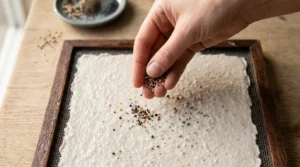
If you want to choose wildflower seeds paper that actually sprouts, pick small, tough seeds and leave out anything bigger than a sesame seed. Big seeds tear the sheet while it dries and the ones that do survive rarely get enough soil over them to grow, because paper can only bury a seed so deep.
Key Takeaways
- Small, tough seeds hold up in paper. Big ones tear it.
- A good mix names every species on the packet.
- Straight species beat bred cultivars for pollinators.
- Test a pinch of old seed on a damp towel before you press a whole sheet.
- Seed labeled for your region usually settles in better.
Wildflower mixes, small herbs and a few fine flowers like poppy cover most of what anyone wants to grow. The bigger question is whether a seed is the wild original or a bred cultivar. That single choice decides how much good it does once it blooms. Grab whatever packet you already own and see how it measures up.
Five Seed Choices And What Each One Gets You
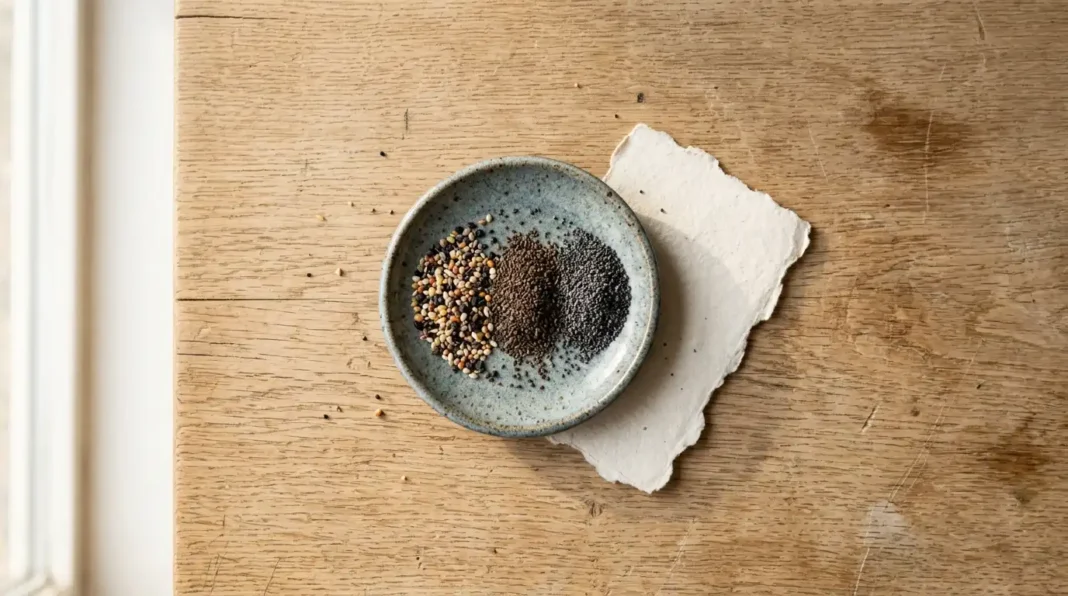
Some seeds are easy and some fight you the whole way when you choose wildflower seeds paper. Wildflower mixes and herbs are the easy ones, and a fine seed like poppy is easy too, so those three take almost no thought.
The other two choices have nothing to do with size. One is whether you buy the wild plant or a bred version of it. The other is whether the seed came from somewhere like where you live.
Wildflower Seed Mixes
A mixed packet is the easiest way in. Most mixes already use small seeds that press into wet pulp without fuss. You also get several flowers from one sheet, and they tend to bloom at different times. The patch stays interesting far longer than a single kind would.
Read the back before you buy, because a good mix names every species while a vague “wildflower blend” tells you nothing about what you’re really planting. Look for a packed-for year or a test date too, since fresh seed sprouts better and yours will sit in paper for a while before it goes in the ground.
Basil, Thyme, and Other Small Herbs
Herb seeds are tiny, cheap and forgiving, so they suit a first try. Basil, thyme and oregano all press into wet pulp easily and hold up through drying, and if one sheet comes out uneven, you’ve lost almost nothing but a few minutes and a pinch of seed.
They make good gifts as well, because a card that turns into a pot of basil is something people actually use. Just tell them two things: basil wants warm weather, and thyme or oregano can take a few weeks to show up, so nobody should give up on the paper too early.
Straight Species Over Bred Cultivars
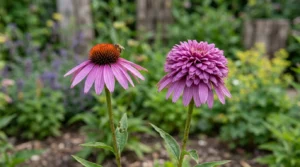
This one catches people out because a cultivar and its wild parent can look alike on a packet. A cultivar is a plant that people bred for something, like a bigger bloom or a new color, and sometimes that breeding strips out what pollinators need. Purple coneflower alone has been bred into more than a hundred cultivars.
The Xerces Society, a nonprofit that works to protect pollinators, is blunt about it in its guide to picking plants for pollinators. Double blooms are a no. Color-bred cultivars are almost certainly less attractive. The straight species is always the best bet. Here’s the short version of what they say:
| Number & Insight | Source | Expert/Team |
|---|---|---|
| 100+ cultivars: purple coneflower has been bred into more than a hundred, and some are barely different from the wild plant while others are sterile | Xerces Society, “Picking Plants for Pollinators: The Cultivar Conundrum” | Xerces Society |
| 0 pollen: double-bloom cultivars are almost always sterile and block pollinators from reaching pollen or nectar, so they’re an absolute no | Xerces Society, “Picking Plants for Pollinators: The Cultivar Conundrum” | Xerces Society |
| 1 safest pick: when you can get it, the straight species is always the best possible plant for pollinators | Xerces Society, “Picking Plants for Pollinators: The Cultivar Conundrum” | Xerces Society |
Poppy and Other Fine Ornamentals
Poppy seed is about as small as seed gets, so it presses evenly into a sheet without clumping, and that matters because seeds sitting in a clump compete with each other once they sprout. Poppies also come up quickly, often within a couple of weeks, and that fast payoff is nice for a first batch.
Snapdragon and alyssum work the same way, and a rough test is whether a seed almost vanishes between your fingers, because if it does, it’s probably fine for paper. Poppies hate being moved, so plant the whole sheet right where you want them, and check the packet for the best planting time since some prefer cool weather.
Regional Native Seeds
Plants that grew in your area long before gardens did usually handle your soil and weather better than imports. A mix built for another part of the country might sprout and then struggle. Many local species also have their own timing built in. They’re less likely to sprout in one warm week and then get caught by frost.
Watch the wording, though. Native to your state isn’t the same as native to your region, since a big state can hold several growing areas with different soil and climate. So when you choose wildflower seeds paper for your own yard, look for seed labeled for your area, and ask the seller where it came from if the packet doesn’t say.
5 Best Seeds For A First Seed Paper Batch
Start with a wildflower mix, basil, thyme, poppy and alyssum, because all five are small and cheap and none of them needs soaking or a cold spell before planting. Press them in, dry the sheet and plant it.
If you can only buy one packet, buy the mix, since it gives you the most flowers for the money and a mixed sheet hides the odd seed that never comes up. Save the fussier plants for after you’ve made a few sheets, once you know how your paper behaves.
3 Tested Signs A Seed Is Too Big For Paper
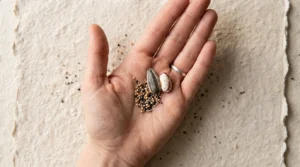
Here’s a rule of thumb. If the seed is thicker than the pressed sheet, it’s too big, because it will poke through or tear the paper as it dries. If it needs planting deeper than about a quarter inch, paper can’t give it that either.
The third sign is the simplest one. Drop a few in your palm. If they feel heavy instead of light, put them back. Beans, sunflowers and squash all fail at least one of these checks, and belong in a garden bed instead.
5 Proven Ways To Find Regional Native Seeds
Start with your state’s native plant society, since many of them sell seed or can point you to someone who does. Your county extension office is a second good stop, and it often keeps a list of native plant nurseries for the area.
Beyond that, try local native plant sales, the Xerces Society’s directory of native seed sellers, and any company willing to tell you where a mix was grown. If a supplier can’t answer that simple question, buy somewhere else.
Good Seed Makes Good Paper
Small, tough seeds are what make seed paper work. A straight species beats a bred cultivar when you’re trying to help pollinators. That’s really the whole answer to how you choose wildflower seeds paper that grows. Add regional seed on top of that, and you’ve covered what separates a sheet that sprouts from one that just sits in the soil.
Seed is only half of it, though. The other half is pressing it into pulp and getting the sheet into the ground, covered in how to plant seed paper craft. Found a mix that surprised you, good or bad? Tell me about it down in the comments below.
Frequently Asked Questions (FAQs)
How do you choose wildflower seeds paper?
To choose wildflower seeds paper that grows, pick small, tough seeds like a wildflower mix, basil, thyme, poppy or alyssum, and skip anything bigger than a sesame seed. Check that the packet names its species, and look for seed labeled for your region.
What’s the difference between a straight species and a cultivar?
A straight species is the plant as it grows in the wild. A cultivar is a version people bred for a trait like bloom size or color, and some are sterile, so pollinators get nothing from them.
Can you use old seeds in seed paper?
You can, but test first. Put a pinch on a damp paper towel for a week or two and if nothing sprouts, don’t waste a whole sheet on that seed.
Why can’t you use sunflower or bean seeds in seed paper?
They’re too big and too heavy. They tear thin paper as it dries, and they need more soil over them than a sheet can give.
Where can you find seeds native to your region?
Try your state’s native plant society or your county extension office first. Both can point you to sellers who know where their seed was grown.