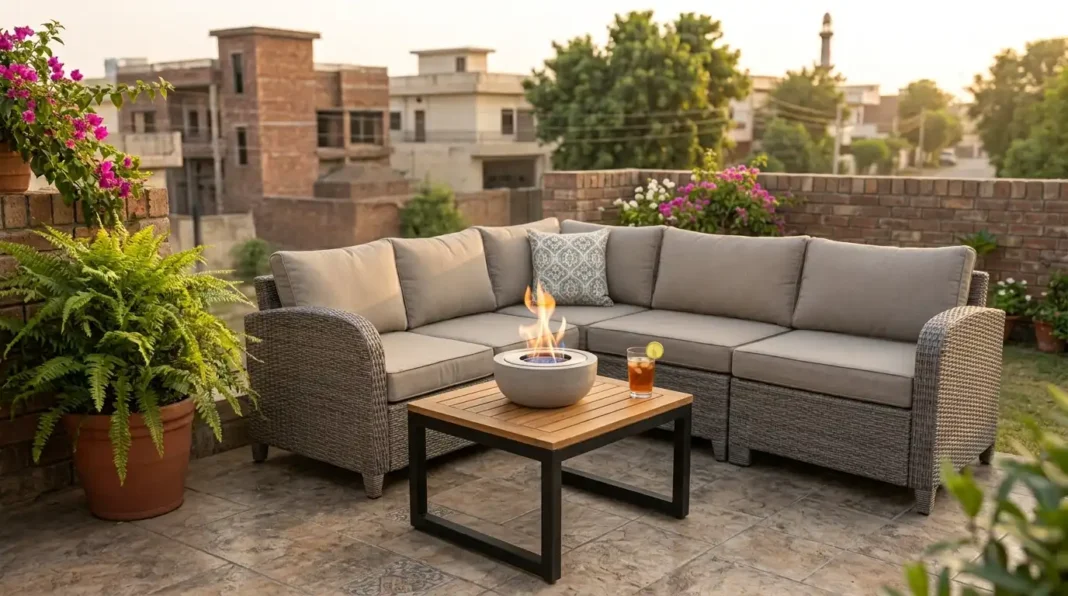
The Best Tabletop Bioethanol Fire Bowls for 2026
Tabletop bioethanol fire bowls solve the ambience problem a full fire pit creates on a small patio: real flame without smoke, ash, or a propane tank to store. Look for a bowl rated for the actual burn time needed, since most run 2 to 4 hours per fill, and always check for a wind guard or glass insert if the spot gets any regular breeze. Most small-patio owners either skip a fire feature entirely or settle for a candle that barely flickers, and neither is necessary once a proper bowl takes over that job.
Key Takeaways
- Most bowls burn 2 to 4 hours per fill, depending on reservoir size and flame column count.
- A wind-guard glass insert or a concrete base prevents flickering or gutting in breezy spots.s
- Never refuel an active flame; extinguish and cool the bowl fully before adding more fuel
- Bioethanol burns cleaner than wood or kerosene but still needs the same ventilation precautions.
- Larger bowls extend burn time to 4+ hours, better suited to bigger gatherings than solo use.e
This guide ranks seven bowls built for exactly that footprint, from a compact single-flame design to an extra-large bowl for bigger gatherings. Every pick below gets checked against real ventless-flame safety guidance, since an open flame indoors or in a poorly ventilated space carries real risk regardless of how clean the fuel burns. Scroll past the takeaways below and jump to whichever bowl matches your table.
Seven Tabletop Bioethanol Fire Bowls Worth Considering
Every one of these tabletop bioethanol fire bowls solves a slightly different version of the same problem: real flame on a small table without smoke, ash, or a tank to store. The middle pick covers the ventless-flame safety standards worth checking regardless of style, and the other six cover size, wind resistance, and finish.
The Compact Single-Flame Tabletop Bowl
A compact bowl with a single flame column is the smallest true option among tabletop bioethanol fire bowls, sized to sit comfortably on a side table or a narrow bistro table without crowding drinks or plates. Burn time typically runs 2 to 3 hours per fill, enough for a full evening on a small patio without needing a mid-gathering refuel.
The single flame puts out modest ambient warmth rather than serious heat output. This pick suits a two-person setup or a solo reading nook where a small flicker of real flame matters more than a big visual statement.
The Rectangular Two-Flame Bowl for Longer Tables
A rectangular bowl with two separate flame columns spreads light and warmth across a longer dining or coffee table without needing two separate units. The dual-flame design also means one column can run alone for a quieter night, extending total fuel life when full output is not needed.
Burn time per fill typically matches a single-flame bowl, since each column draws from its own separate reservoir. This pick works well paired with a four-piece L-shaped sectional, where the table itself already spans enough length to benefit from the wider flame spread.
The Bowl with a Wind-Guard Glass Insert
A glass wind-guard insert keeps the flame steady in a breeze that would otherwise cause a flickering or guttering flame on an open-top bowl, a common weak point among tabletop bioethanol fire bowls generally. This matters most on balconies and rooftop decks, where wind exposure runs consistently higher than at ground level.
The glass adds height and visual weight to the bowl, which some buyers prefer purely for the look regardless of wind conditions. Cleaning the glass insert occasionally prevents soot buildup from dulling the flame’s visibility, a minor maintenance step most owners forget until the flame looks dimmer than it should.
The Bowl Built to Real Ventless-Flame Safety Standards
Every tabletop bioethanol fire bowl burns fuel indoors or in partially enclosed spaces more often than a full fire pit ever would, which makes ventilation and placement guidance genuinely important rather than a formality. An open flame, even a small one, still consumes oxygen and produces combustion byproducts, so using one in a fully enclosed space with no airflow carries real risk regardless of how clean bioethanol burns compared to wood or gas.
Placement on a stable, heat-resistant surface away from curtains, cushions, or anything that could tip into the flame matters as much for a tabletop bowl as it does for a full-size pit. Buyers should treat a bowl’s fuel capacity and burn time as safety information, not just a spec, since running out of fuel while a guest attempts to refill an active flame is one of the most common bioethanol-related accidents. The table below details open-flame safety guidelines established by NFPA specialists.
| Number & Insight | Source | Expert/Team |
|---|---|---|
| NFPA’s open-flame guidance applies to any burning fuel source regardless of scale, and stresses never refueling an active flame or using an open flame in an unventilated enclosed space | NFPA | National Fire Protection Association |
The Concrete-Base Bowl for Heavier Wind Resistance
A concrete or stone base adds significant weight compared to a standard metal bowl, which keeps the whole unit stable in wind conditions that would tip a lighter design. This trade-off means the bowl is harder to reposition solo, so it suits a fixed spot on the table rather than a piece moved around regularly.
The added mass also means the base itself stays cooler to the touch longer after the flame goes out. This pick fits naturally on an exposed balcony or rooftop deck where wind is a near-constant factor rather than an occasional concern.
The Color-Changing Flame Bowl for Ambience
A bowl with a mineral additive that tints the flame blue, purple, or green trades a small amount of burn efficiency for a distinctive visual effect most standard bowls cannot replicate. The color additive is mixed with the bioethanol fuel itself rather than built into the bowl, so any compatible fuel brand works as long as the additive gets added before lighting.
Burn time runs comparable to a standard fuel fill, with only a marginal difference in flame height. This pick suits buyers prioritizing a distinctive look for entertaining over the most efficient possible burn time per fill.
The Extra-Large Bowl for Bigger Gatherings
An extra-large bowl, typically double the fuel capacity of a compact single-flame design, suits a bigger table or a gathering where the flame needs to remain visible from more seats at once. Among tabletop bioethanol fire bowls, this is the size that scales best to a party rather than a quiet evening for two.
The larger reservoir extends burn time to 4 hours or more per fill, reducing the chance of running dry mid-gathering. This size only makes sense on a table with enough surface area to keep the bowl well clear of plates, glasses, and reaching hands, and buyers hosting regularly benefit most from the longer burn time.
How Long Does a Tabletop Bowl Burn? (2026 Pick)
Most compact single-flame bowls burn for 2 to 3 hours per fill, enough for a typical evening gathering without needing a mid-party refuel. Larger or dual-flame designs can extend that window to 4 hours or more, depending on reservoir size and how many flame columns are active at once.
Running a bowl at a lower flame height, when the design allows adjustment, extends burn time further at the cost of a smaller, less dramatic flame.
Bioethanol vs Gel Fuel Bowls: Which Adds $20 in Running Cost?
Bioethanol fuel typically costs $15 to $25 more per gallon-equivalent than comparable gel fuel canisters, though bioethanol burns cleaner with less residue left in the bowl after each use. Gel fuel canisters are simpler to store and transport but generally burn for a shorter window per unit than an equivalent volume of liquid bioethanol.
Buyers using a bowl frequently save more over time with bioethanol despite the higher upfront cost per fill, while occasional users may prefer gel canisters for the storage simplicity alone.
Is Bioethanol Fire Bowl Smoke Safe Indoors? (CO Check)
Bioethanol burns cleaner than wood or kerosene, producing minimal visible smoke, but it still consumes oxygen and produces carbon monoxide and other combustion byproducts like any open flame. Using one indoors or in a fully enclosed space without adequate ventilation carries real risk regardless of how clean the fuel appears to burn.
A carbon monoxide detector in any indoor space where a bioethanol bowl gets used regularly is a reasonable precaution, the same way it would be for any other fuel-burning appliance.
Conclusion
A tabletop bowl earns its spot the moment it adds real flame to a small patio without the smoke, ash, or storage tank a full fire pit demands. The lesson from every pick above is the same: check burn time and wind resistance before checking the finish, since a bowl that gutters out in a light breeze or runs dry halfway through a gathering solves nothing. Pair the right bowl with a compact sectional and the ambience problem that ends most small-patio evenings early simply goes away.
This is really a ventilation-and-fuel question wearing a decor upgrade, and it shows up the same way on balconies, covered porches, and open patios everywhere. Get the burn time and wind resistance right, and finish and flame color become simple taste calls. Save this list, measure your table before ordering anything, and check out our companion pillar on fire pits for wooden decks if a bigger fire feature is still on the table.
Frequently Asked Questions (FAQs)
Are tabletop bioethanol fire bowls safe for small patios?
Yes, tabletop bioethanol fire bowls are one of the safest small-scale open-flame options for a patio because they burn clean with no smoke or ash, though the same clearance and ventilation precautions that apply to any open flame still matter here.
How much fuel does a tabletop fire bowl use per session?
Most compact bowls use roughly 8 to 16 ounces of bioethanol per fill, enough for 2 to 3 hours of burn time depending on flame height and how many columns are active.
Can I refill a bioethanol bowl while it’s still lit?
No, refueling an active flame is one of the most common causes of bioethanol accidents, so the flame should always be fully extinguished and the bowl cooled before adding more fuel.
Do bioethanol bowls produce enough heat to warm a patio?
A single-flame bowl produces modest ambient warmth rather than serious heat output, so it works better for ambience than as a primary heat source, especially compared to a full fire pit or a propane heater.
Will wind put out a bioethanol flame?
A moderate breeze can cause flickering or guttering on an open-top bowl, which is why a wind-guard glass insert or a heavier concrete-base design holds up better on exposed balconies or windy evenings.