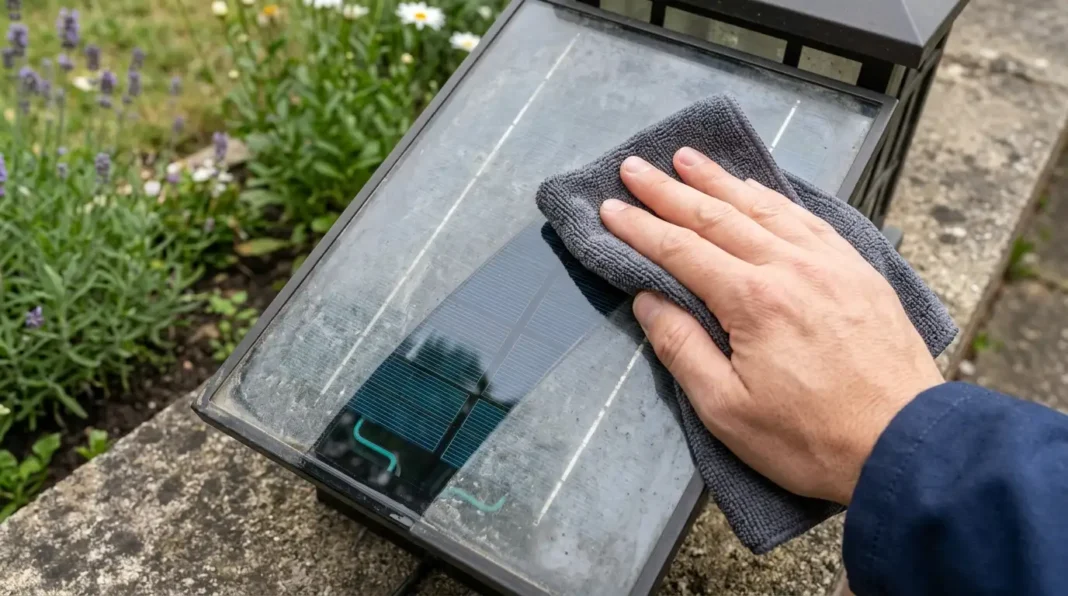
Cloudy Solar Light Panel: Why It Happens So Fast
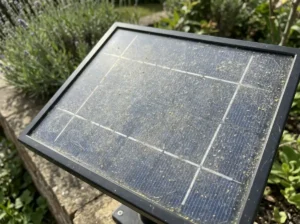
A cloudy solar light panel forms when dust, pollen, and grime settle onto the surface and block a meaningful share of the sunlight the panel would otherwise absorb. This happens quite fast, often within just a few weeks outdoors, especially near trees, grass, or anywhere local pollen counts run high for part of the year.
Key Takeaways
- Cloudy buildup can cut panel output by as much as 15% during peak pollen season.
- A soft cloth and plain water restore most lost output in under a minute.
- Avoid glass cleaner; the ammonia can leave a haze on plastic panel covers.
- Even a few bird droppings on a panel can meaningfully cut its output.
- Cleaning every few weeks during pollen season keeps output consistent.
The good news is that this specific problem is also one of the fastest, cheapest fixes in solar light maintenance, requiring nothing more than a soft cloth and a few minutes per fixture. No special products or tools are genuinely necessary for the vast majority of cases, unlike some of the other causes covered in our full breakdown of why solar lights stop working, which involve actual component replacement rather than a simple wipe-down. Keep reading for the exact three-step cleaning process, plus what to avoid so you don’t scratch or haze the panel while trying to fix it.
How Much Output a Cloudy Panel Actually Loses
Panel soiling loss varies significantly by climate and season, and pollen specifically turns out to be a bigger problem than most people assume. NREL’s pollen soiling research found that panel efficiency dropped by as much as 15% during peak pollen season, and that rainfall alone was not enough to fully wash pollen off; unwashed panels still lost roughly 10% in annual production. The table below details official pollen soiling-loss guidelines established by NREL solar researchers.
| Number & Insight | Source (Institute) | Expert / Team |
|---|---|---|
| Tree pollen dropped solar panel efficiency by as much as 15% during peak season, with unwashed panels losing about 10% annually since rain alone doesn’t fully clean it off. | NREL, Duke University and IEEE Journal of Photovoltaics research | NREL Photovoltaic Reliability Research Team |
Bird droppings deserve a specific mention here too, since even a small amount can disproportionately affect output because of how solar cells are wired together in a series; a single blocked cell can drag down the output of the whole panel rather than just its own small section.
The 3-Step Cleaning Process That Actually Works
None of this requires special equipment or cleaning products, just water, a soft cloth, and a few minutes of care. Following these three steps in order protects the panel’s surface while actually restoring the output the buildup was blocking.
Rinse the Panel First
Start by rinsing the panel with plain water to loosen loose dust and pollen before touching it with anything. This first rinse matters more than it seems, since it prevents grit from scratching the surface once you start wiping.
Skipping this step and going straight to wiping is the most common way people accidentally scuff or dull a panel’s surface while trying to clean it.
Wipe Gently in One Direction
Wipe gently in one consistent direction with a soft microfiber cloth or a clean sponge, never a scrubbing motion or an abrasive pad. Moving in one direction rather than circles helps loosen residue evenly instead of just smearing it around the surface.
A microfiber cloth outperforms paper towels or old rags here, since it won’t leave lint or fine scratches behind on repeated use.
Rinse Again and Let It Dry
Finish with a final rinse to remove any remaining residue, then let the panel air dry completely before the fixture goes back into full sun. This last rinse catches whatever the cloth loosened but didn’t fully lift away.
Avoid cleaning during peak midday heat, since water can evaporate too fast and leave mineral spots behind on the surface instead of drying clean.
3 Signs Your Solar Panel Needs Cleaning Now
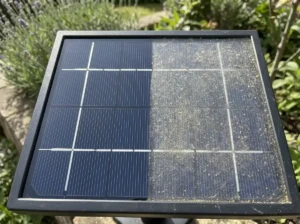
A visible haze or film you can see without touching the panel is the clearest sign, since surface buildup this obvious is already blocking meaningful light. A light that turns on noticeably later at dusk than it used to is the second sign, indicating slower charging from reduced sunlight absorption.
Any visible bird droppings or sap spots are the third sign, and these should be addressed immediately rather than waiting for a scheduled cleaning, since their impact on output is disproportionately large.
Best Solar Panel Cleaning Kit Under $15
A basic kit with a microfiber cloth, a soft-bristle brush and a small spray bottle covers nearly every cleaning need for a full yard of solar fixtures, and quality kits in this range run under $15. Reusable microfiber cloths outperform paper towels, which can leave lint or scratch coatings over repeated use.
Avoid any kit that includes abrasive pads or degreasing chemicals, since solar panel coatings are more delicate than typical household glass and can haze permanently if scrubbed too aggressively.
2026 Pick: Best Season to Deep Clean Solar Panels
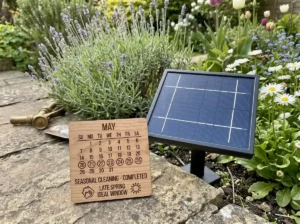
Late spring, right after peak pollen season ends, is the best single time for a thorough cleaning across an entire yard of fixtures. This timing catches the heaviest seasonal buildup before summer sun exposure compounds the output loss over several more months.
A second light cleaning in early fall, before winter storage or reduced sun angles set in, keeps output consistent through the shorter days ahead.
Cloudy Solar Light Panel Buildup Is the Easiest Fix in This Whole Guide
A cloudy solar light panel is genuinely one of the simplest problems covered anywhere in solar light troubleshooting; a soft cloth, plain water, and a few minutes restore nearly all the lost output most of the time. Skipping this step is the most common reason people replace fixtures that never actually needed replacing in the first place, especially once pollen season hits and buildup accelerates faster than most people expect it to.
That’s the real story behind panel cleaning, a small maintenance habit with an outsized effect on how long your lights actually stay on each night. Building it into a seasonal routine, rather than waiting until output visibly drops, keeps every fixture performing the way it did on day one. If a five-minute cleaning session just saved you the cost of new fixtures, pass this along to whoever else has been wondering why their solar lights seem dimmer than they used to be.
Frequently Asked Questions (FAQs)
How do you clean a cloudy solar light panel?
Rinse with plain water first, wipe gently in one direction with a soft microfiber cloth, then rinse again and let it air dry completely before returning the fixture to full sun.
How often should you clean solar light panels?
Every few weeks during pollen season or dusty stretches, and after any heavy rain that leaves visible residue once it dries; roughly monthly the rest of the year.
Can you use glass cleaner on a solar panel?
It’s better to avoid it; the ammonia in most glass cleaners can leave a faint haze on plastic panel covers over repeated use. Plain water handles nearly everything.
Does a dirty panel actually reduce how long the light stays on?
Yes, less absorbed sunlight means less stored charge, which directly shortens how many hours the light can run once it gets dark.
Do bird droppings really affect solar panel output that much?
Yes, disproportionately so, since panel cells are wired in series and one blocked cell can drag down the output of the entire panel, not just the covered spot.