Simple Master Flower Beds Start Below the Surface

Simple master flower beds come from three prep jobs before a single plant goes in: clear the ground, fix the drainage and feed the soil. The University of Illinois Extension says wet winter soil kills more perennials than cold temperatures do, so drainage deserves your first look in every bed.
Key Takeaways:
- Kill perennial weeds before you turn the first spade of soil.
- Avoid low spots or raise the bed with timbers, rocks or bricks.
- Add organic matter at 25 to 30 percent of the soil by volume.
- Leave the bed unplanted for a few weeks to watch for regrowth.
- Edge the bed with a garden hose outline and a spade cut.
A flower bed is only as good as the soil under it since roots need air and water in balance. Soggy soil does more harm than frost. The prep takes a weekend and pays off for years. A bed prepared well needs far less rescue work later. Keep reading to prepare yours in the right order this season.
Three Jobs Before Any Plant Goes In
A flower bed is a planting area of loosened, improved soil set apart from lawn or paths. Simple master flower beds are the ones prepared so well that they need little fixing later. Three jobs do it: clear the weeds, fix the drainage and feed the soil. Each one has a quick test and a clear payoff. Skip one and the bed pays for it later.
Clear the Ground First
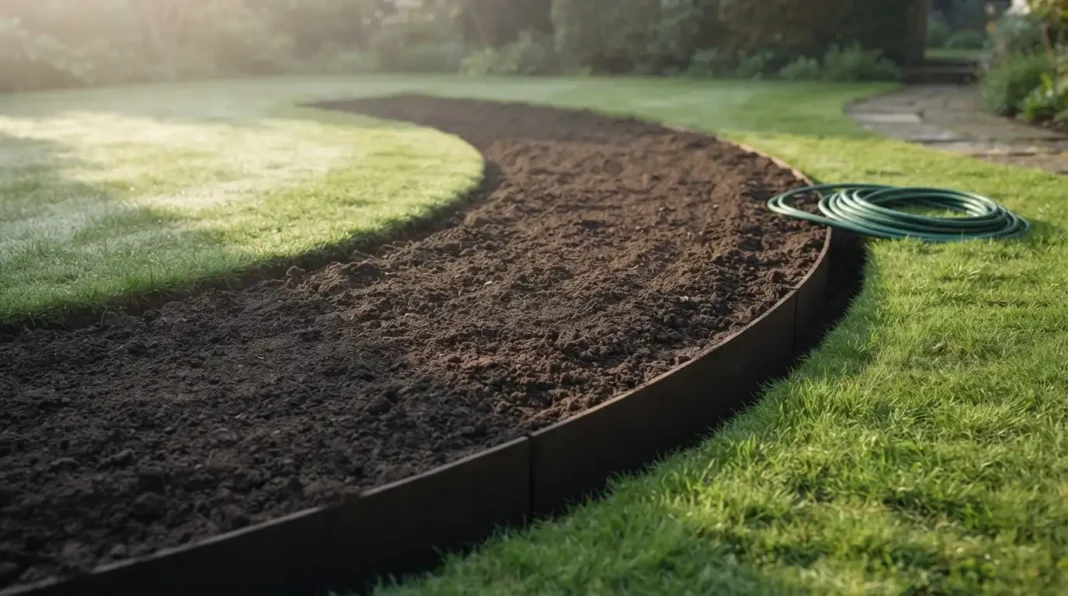
Start with the weeds that come back. Thistle, bindweed and quackgrass grow from roots, so turning the soil can spread them. Outline the shape of the bed with a garden hose and then deal with everything inside the line. Illinois Extension says to do this before you turn the first spade of soil. Mark the line with a few stakes so it stays put.
Illinois Extension describes two ways to do it. A systemic herbicide applied by the label browns actively growing weeds in 7 to 14 days. Smothering the bed under several layers of wet newspaper and mulch takes up to six months. After either one, leave the bed unplanted for a few weeks. Any regrowth tells you to repeat the step before planting. Note the date.
Why Wet Winter Soil Kills More Perennials Than Frost
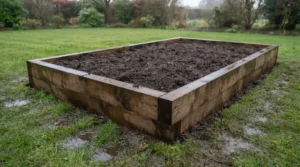
Roots need air, so soil that stays soaked in winter starves them. The University of Illinois Extension says more perennials die in soil that stays wet than from the cold itself. Avoid low-lying spots where water collects. If your site drains poorly, then raise the bed with timbers, rocks or landscape bricks. A raised bed lifts the roots above the wet. Watch it after rain.
Simple master flower beds need the right fix for the soil type. Clay needs organic matter for air and drainage. Sandy soil needs it to hold water. Either way, you add the same thing. Fill a raised frame with amended soil, not plain topsoil. Plain topsoil moves the problem. Read the university’s perennial bed preparation guide before you build a frame or buy materials. The table below details flower bed drainage guidelines established by University of Illinois Extension specialists.
| Number & Insight | Source (Institute) | Expert / Team |
|---|---|---|
| More perennials are killed by soils that stay wet over the winter than by the actual cold temperatures. In poorly drained areas, raising the bed with timbers, rocks or landscape bricks greatly improves drainage. | University of Illinois Extension | Illinois Extension Flowers |
| Add organic matter at about 25 to 30 percent by volume of the soil. Organic matter improves structure and aeration in clay soil and moisture and nutrient retention in sandy soil. | University of Illinois Extension | Illinois Extension Flowers |
Feed the Bed Once, Then Edge It
Simple master flower beds get their organic matter in one thick pass. Illinois Extension lists compost, leaf compost, composted bark, mushroom compost, composted manure and peat moss as options. Spread it 3 to 4 inches deep and work it into the top 10 to 12 inches with a garden fork or tiller. The university is blunt about it: there is no shortcut and no magic material.
Test the soil before you add fertilizer. Illinois Extension suggests about two pounds of 5-10-5 per 100 square feet of new bed tilled in during preparation. Then cut a clean edge along the hose line with a spade. Top the bed with 2 to 3 inches of mulch and keep it 1 to 2 inches from plant crowns, as the University of Connecticut advises.
1 Proven No-Till Option That Avoids a Painful Dig

Simple master flower beds don’t need tilling. Illinois Extension describes covering the bed with several layers of wet newspaper and mulch to block light. Overlap the sheets so no gaps let weeds through and wet them as you go so they stay put. Then cover everything with mulch. Black plastic works as a light blocker too. Tuck the edges under the mulch so wind can’t lift them.
Be ready to wait. Weeds can take up to six months to die depending on weather and weed type. Start in autumn for a spring bed. Plant by cutting through the newspaper layer. Keep the mulch in place afterward. Check the edges every few weeks for regrowth. Mark the start date on a stake. Six months pass faster than you think. Be patient.
3 Amazing Materials to Fix Clay or Sandy Soil
Organic matter fixes both extremes. Illinois Extension says it improves structure and aeration in clay soil and moisture and nutrient retention in sandy soil. Compost is the all-round pick. Leaf compost costs little if you have trees. Composted manure adds nutrients but must be well rotted. Composted bark and mushroom compost are on the university’s list too. Use what is easy to find.
Skip raw materials since fresh leaves and manure can rob nitrogen and burn roots. Buy bagged compost or make your own. A soil test shows whether you also need fertilizer. Work the material into the top 10 to 12 inches and not just the surface. Surface layers dry out and blow away. Water the bed after mixing so the soil settles. Rake it level.
Best Time to Prepare Flower Beds: 2026 Pick
Spring and fall are the best seasons to start. Illinois Extension notes that weed control works best on actively growing weeds when temperatures stay above 50 degrees. Those conditions arrive in spring and autumn. Starting early gives you time to check for regrowth before planting day. Wait until the soil is moist and not wet before you dig. Frozen or soggy ground can wait.
Work backward from planting day to prepare your beds on time. Clear the ground first and leave a few weeks for regrowth checks. Then add organic matter and rake the bed smooth. A bed prepared in autumn sits ready for spring planting. Write the dates on your calendar so the steps happen in order. Photograph the bed at each stage for your records.
Prepare Once and Plant With Confidence
Simple master flower beds reward a patient start. Kill perennial weeds before you turn soil and fix drainage or raise the bed. Add organic matter to about 25 to 30 percent by volume. Leave the bed unplanted for a few weeks. Edge it cleanly. Each step is quick and none can be skipped without a cost later. Plants forgive many mistakes but wet winter soil is not one of them. The prep is the work that decides whether perennials return each spring.
Spend a weekend on it. Mark the regrowth check on your calendar. Then plant knowing the soil is ready. Photograph the finished bed for next year. If you want the full soil picture behind a healthy bed, our guide on how to master healthy garden soil 5 steps walks through testing, compost, mulch and weeding. If this guide helped you plan your bed, let us know in the comments below and share it with friends or family who love flowers.
Frequently Asked Questions (FAQs)
How to prepare simple master flower beds?
To prepare simple master flower beds, clear perennial weeds first, fix drainage and add organic matter to about 25 to 30 percent of the soil by volume. Then wait a few weeks to check for regrowth before planting.
Do you have to till a new flower bed?
No. Illinois Extension describes smothering the area under several layers of wet newspaper and mulch as an alternative. It can take up to six months to kill the weeds.
How much organic matter should a flower bed have?
About 25 to 30 percent by volume, according to Illinois Extension. That means 3 to 4 inches worked into the top 10 to 12 inches of soil.
Why do perennials die over winter?
Wet soil kills more perennials than cold does, according to Illinois Extension. Good drainage and a raised bed in low spots help.
How much fertilizer does a new flower bed need?
Illinois Extension suggests about two pounds of 5-10-5 per 100 square feet, tilled in during bed preparation. A soil test shows whether you need it.