Master Healthy Garden Soil Explained
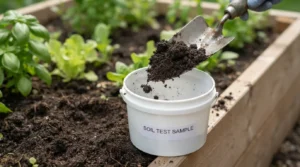
To master healthy garden soil, follow five steps: prepare the bed, build compost, test the soil, layer mulch and keep weeds out. The University of Illinois Extension says to test garden soil about every three years and aim for a pH between 6.0 and 7.0 for most vegetables.
Key Takeaways:
- Test every three years and aim for a pH of 6.0 to 7.0.
- Work in 3 to 4 inches of organic matter when you prepare a bed.
- Build compost with 25 to 30 parts carbon to 1 part nitrogen.
- Mulch 2 to 3 inches deep and keep it off plant crowns.
- Pull weeds early before they set seed.
Healthy soil does the quiet work in a garden. It drains after rain and holds water in a dry spell. It crumbles in your hand and feeds the roots. Each step here builds that quality a little more. Small steps add up season after season. Start now. Keep reading to build a routine that fits your garden and your week.
Five Steps From Hard Dirt to Living Soil
Healthy garden soil is loose, crumbly and rich in organic matter. It drains well and holds moisture and feeds plants without constant fertilizer. Five jobs help you master healthy garden soil: the bed, the compost, the test, the mulch and the weeding. Each one has a quick check and a clear payoff.
Preparing the Bed Without Wrecking the Soil
To master healthy garden soil, start by clearing the bed. Remove sod, rocks and old roots before you check drainage. Dig a hole 8 to 12 inches deep and fill it with water. Let it drain and fill it again, since soil that drains in under an hour is fine. Slower drainage means the soil needs more organic matter and a lighter touch. The table below details garden bed preparation guidelines established by University of Illinois Extension specialists.
| Number & Insight | Source (Institute) | Expert / Team |
|---|---|---|
| Add about 3 to 4 inches of organic matter on top of the bed and work it into about 10 to 12 inches of soil. | University of Illinois Extension | Illinois Extension Flowers |
| Test drainage by digging a hole 8 to 12 inches deep and filling it with water twice. Water that drains in less than 1 hour is satisfactory. | University of Illinois Extension | Illinois Extension Flowers |
Then loosen the bed and mix in the compost. Work only when the soil is moist and not wet and stay off the bed afterward since footsteps compact it. Mark the edges with a string line. Rake the top smooth. Water once so the soil settles. Our full guide on how to prepare simple master flower beds covers layout, edging and planting dates.
Building a Compost Bin That Heats Up
Compost is soil food you make from kitchen and yard waste and a bin heats up only when it is big enough and balanced. Penn State Extension puts the target size at about 3 feet tall, wide and deep. Mix brown material like dry leaves with green material like fresh clippings. Keep the pile as damp as a wrung-out sponge. Add scraps in layers. The table below details home composting guidelines established by Penn State Extension specialists.
| Number & Insight | Source (Institute) | Expert / Team |
|---|---|---|
| A pile from 3 feet to 5 feet tall, wide and deep reaches temperatures of 140 to 160°F. | Penn State Extension | Penn State Extension Home Composting |
| Aim for 25 to 30 parts carbon to 1 part nitrogen. Finished compost takes about 3 to 4 months. | Penn State Extension | Penn State Extension Home Composting |
Turn the pile often in the first few weeks to add air and then turn it now and then. Chop big pieces small, so they break down faster. Keep meat and dairy scraps out of the pile. Cover it so rain doesn’t soak it. Our full guide on how to build simple master compost bins compares pallet, wire and tumbler designs.
Testing pH and Organic Matter

You can’t see pH, so a test shows it. The University of Illinois Extension says most garden vegetables grow best at a pH between 6.0 and 7.0 and that ideal soil sits near 6.5. It also says to test about every three years. Sample from several spots and mix them together, but skip metal buckets and rusty tools since they can skew the results. The table below details soil testing guidelines established by University of Illinois Extension specialists.
| Number & Insight | Source (Institute) | Expert / Team |
|---|---|---|
| Soil sampling is ideally done every 3 years. A soil pH of 6.0 to 7.0 is ideal for most garden vegetables, with 6.5 as the target. | University of Illinois Extension | Illinois Extension Soil and Site |
| Lime raises soil pH and sulfur lowers it. Changes can take a year or more to show. | University of Illinois Extension | Illinois Extension Soil and Site |
| In the ribbon test, sand won’t form a ribbon. Clay forms a ribbon longer than 2 inches. | University of Illinois Extension | Illinois Extension Soil and Site |
Use the result to choose what to add. Lime and sulfur work slowly, so change pH in small steps. Add compost for organic matter either way. Read the university’s soil testing guide before you buy any amendment. Label each sample bag with the bed name. Keep a log of dates and results. Retest the same beds each time so you can compare.
Layering Mulch the Right Depth
Mulch is a blanket for the soil that holds moisture, cools roots and blocks weeds. Depth decides whether it helps or hurts. Too thin and weeds break through, while too thick and the layer mats down and shuts out air and water. Pull mulch back from stems so they can breathe. Shredded bark suits perennial beds and shrubs. Pick one mulch and stay consistent. The table below details mulching guidelines established by University of Connecticut specialists.
| Number & Insight | Source (Institute) | Expert / Team |
|---|---|---|
| Top the bed with 2 to 3 inches of mulch. Keep mulch 1 to 2 inches away from plant crowns. | University of Connecticut | UConn Soil Nutrient Analysis Laboratory |
| An ideal organic matter level for many cultivated plants is between 4 and 8 percent. Organic matter feeds earthworms and moderates soil temperatures. | University of Connecticut | UConn Soil Nutrient Analysis Laboratory |
Refresh the layer once a year instead of piling on more. Check that it is still loose and not crusted. Rake the old mulch loose before you top it up. A thin fresh layer over loose old mulch is plenty. Keep it off stems. Our full guide on how to layer easy proven organic mulches matches each mulch to the bed it suits.
Killing Weeds Without Poisoning the Soil
Weeds compete with your plants for water and light and the cheapest fix is early pulling. Pull when the soil is moist so the root comes out whole and get weeds before they flower and set seed. One missed plant can seed a bed for years. Keep a small tool by the gate and pull a few every day. Never compost weeds that have seeds. The table below details organic weed control guidelines established by Iowa State University Extension specialists.
| Number & Insight | Source (Institute) | Expert / Team |
|---|---|---|
| Hand pulling and shallow cultivation control most annual weeds well when done early, before seed production. | Iowa State University Extension | Iowa State Yard and Garden |
| Boiling water kills weeds and desirable plants alike. Most organic herbicides kill leaves and stems but not roots, so repeat applications every 2 to 3 weeks are often needed. | Iowa State University Extension | Iowa State Yard and Garden |
Cover bare soil with mulch so new seeds stay in the dark. Use boiling water only on cracks in paths. Carry it in a pot with a lid and wear closed shoes. Check the area again after two weeks. Our full guide on how to kill simple natural garden weeds ranks the safest methods by weed type.
1 Proven Fix for Painful Compacted Soil

Compacted soil turns hard and pools water and it forms where people walk and where soil gets worked while wet. Hard soil sheds water and starves roots. Fix it gently. Stop the traffic first by marking paths so feet stay off the beds. Then loosen the bed with a garden fork. Push it in and rock it back and forth without turning the soil over.
Add a layer of compost over the loosened soil. Let worms and roots carry it down. Wait for a dry spell before you dig again. Soil should hold a loose ball in your fist and fall apart when you drop it. If it stays in a sticky lump, it is too wet to work. Loose soil is how you master healthy garden soil over time.
3 Amazing Signs Your Soil Is Healthy
To master healthy garden soil, know the signs of success. Look for earthworms first. They show up when the soil has food and air. Squeeze a handful when it is moist. Healthy soil holds together loosely and crumbles when you poke it. Dark and sweet-smelling soil is another good sign. Plants in it grow steadily and don’t wilt an hour after watering.
Then check drainage by filling a hole with water and timing it. Under an hour means the soil drains well. Compare the result each spring. If it is improving, your routine is working. If it is not, add more compost and keep traffic off the bed. Write the numbers down so you can track progress. Take a photo of each test for your records.
Best Soil Amendment for Sandy or Clay Soil: 2026 Pick
Compost is the best all-round amendment for both. It helps sandy soil hold water and helps clay soil open up and drain. Pick finished compost that smells earthy and looks dark. Avoid fresh or smelly compost. Add a layer each season and work it into the top of the bed. A soil test tells you whether you also need lime or sulfur.
Skip heavy additions of sand to clay. They can make the soil harder. Skip fresh manure near plants you will eat soon. Use aged material instead. Match what you add to what the test says. Small steady additions beat one big fix. Look for steady change over a whole season. Give each change a full season before you judge it. Retest in three years.
Healthy Garden Soil Takeaways
To master healthy garden soil, you need a short and steady routine. Prepare the bed and check drainage. Build compost that heats up. Test every three years. Mulch 2 to 3 inches deep. Pull weeds early. Each step is quick and builds on the last one. No step needs special tools. Keep it simple. Soil rewards patience. It improves a little each season when you feed it and cover it and leave it alone between jobs. Pick one step to do this week. Put the next test date on your calendar.
Then watch what the soil does for you next season. Share what you learn with a neighbor. If you are also planning a water feature for your yard, our guide on how to install solar water fountains with battery covers the power math. If this guide helped you plan your soil, let us know in the comments below and share it with friends or family who garden.
Frequently Asked Questions (FAQs)
How to master healthy garden soil?
To master healthy garden soil, prepare the bed, build compost, test the soil, layer mulch and keep weeds out. Test about every three years and aim for a pH of 6.0 to 7.0 for most vegetables.
How often should you test garden soil?
To master healthy garden soil, test about every three years, according to the University of Illinois Extension. Test sooner if plants struggle.
What pH is best for garden soil?
A pH between 6.0 and 7.0 suits most garden vegetables, with 6.5 as the target, according to the University of Illinois Extension.
How deep should mulch be?
Apply 2 to 3 inches and keep it 1 to 2 inches away from plant crowns, according to the University of Connecticut.
How long does compost take to make?
About 3 to 4 months in a well-built pile, according to Penn State Extension. Turn it often in the first few weeks.