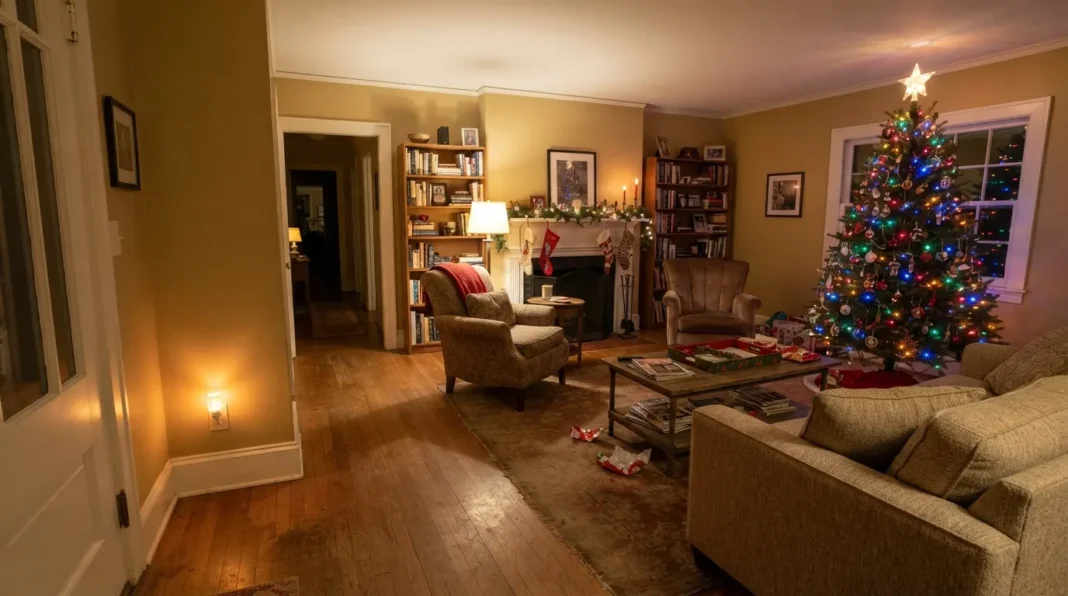
Layout Holiday Room Space by Measuring First and Moving Second
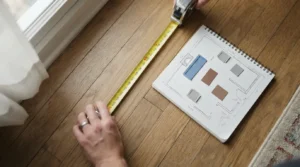
To layout holiday room space well, measure the room first and move the furniture second. Draw the floor on paper, keep one clear pathway from the door to the seating and place the tree and the extra pieces only where that route stays clear. This order lets you rearrange furniture once instead of five times and it keeps the room party-ready after the guests, the coats and the gifts arrive.
KEY TAKEAWAYS:
- Measure the room and every furniture footprint before moving anything.
- Test layouts on a paper floor plan and not on the floor.
- Keep one open pathway that is lit and free of loose rugs.
- Seat guests in small groups that face each other.
- Give every extra box and chair a storage home that is not the floor.
Most holiday layouts fail because decor goes up before anyone understands the floor. The five steps below start with a tape measure and end with a plan for storage during the season. They sit inside our wider guide on how to set christmas room layout without losing your walkways, so use the two together. A multi-purpose room that doubles as an office can follow the same order.
Five Steps in the Order You Will Actually Do Them
Each step hands something to the next: the measurements feed the paper plan, the plan shows where the pathway runs, the pathway decides where guests sit and the seating decides where the leftovers can hide. Skipping ahead is the usual mistake. People start with the seating because it is the fun part and then discover in the middle of a party that the walkway needed to be a foot wider.
Measure Everything Including the Gaps
Measure the room from wall to wall and write the numbers on a sheet of paper. Then measure the furniture footprint of each large piece: the sofa, the armchair, the sideboard and the tree stand. Footprint matters more than height because it decides how much clear floor space is left. Note the doors, the windows and the radiators too, since those are the things you cannot move around.
Measure the gaps as well as the objects. A sofa that fits against a wall can still block a door swing by a few inches. Photograph the room from the doorway before you begin so you have a before picture to return to in January. This record turns rearranging furniture into a quick check against your numbers instead of a heavy push across the floor.
Draw the Room Before You Lift a Single Piece
Draw the room on graph paper with one square for each foot. Cut small paper rectangles that match each furniture footprint and slide them around the plan. A paper floor plan costs nothing and lets you test five layouts in ten minutes without lifting anything. Mark the tree with a circle that matches its width so you can see how much floor it truly takes.
Keep the scale of decor in mind as you plan. A tall tree beside a low sofa can overwhelm a small room, while a slim tree leaves space for guests to pass. Pick decorations that match the size of the wall or table that holds them. If a layout looks crowded on paper, it will feel worse in real life, so redraw it until the gaps look generous.
Light and Secure the Open Pathway
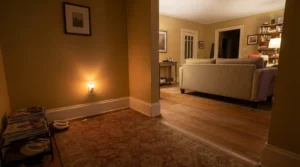
An open pathway only works when people can see it and trust the floor. The Mayo Clinic fall prevention guide says to secure loose rugs with double-sided tape, tacks or a slip-resistant backing or to remove them altogether. It also says to keep the home brightly lit and to place night lights in the bedroom, bathroom and hallways. A tripped guest in a dim hallway is the classic holiday accident and the fix is light plus a flat floor.
Apply that to the route you drew. Tape down the edges of any rug that stays and add a plug-in night light where the path turns. Mayo Clinic also warns that walking in stockinged feet can make you slip, which matters at a party where guests often remove their shoes at the door. Walk the route in the dark once. The table below details open pathway guidelines established by Mayo Clinic specialists.
| Number & Insight | Source | Expert/Team |
|---|---|---|
| Mayo Clinic advises securing loose rugs with double-faced tape, tacks or a slip-resistant backing or removing them. It also advises keeping the home brightly lit and placing night lights in the bedroom, bathroom and hallways. It adds that high heels, floppy slippers and shoes with slick soles can cause slips and that falls are a leading cause of injury among older adults. | Mayo Clinic | Mayo Clinic Staff |
Seat Your Holiday Guests Without Blocking the Route
Holiday guest seating works best when chairs face inward at a comfortable distance and the pathway runs along the edge of the group instead of through the middle. Pull the sofa and two chairs into one loose circle and leave the doorway side open. Put a side table within reach of every seat so nobody has to stand to set down a drink. That is the heart of a party-ready layout.
If the room has to do double duty, fold the desk against the wall and move the office chair into the circle. A multi-purpose room only needs two things moved to become a lounge. Keep any chair you add on the paper plan first. If a seat blocks the pathway, it goes into the hall or into another room until the party starts and then back out of the way.
Park the Extras Where They Will Not Trip Anyone
Every holiday room collects boxes, wrapping paper and spare chairs. Storage during the season means giving each of them a home that is not the floor. Slide empty decor bins under a bed or behind a door and keep one open box for wrapping scraps. Mayo Clinic advises storing necessities within easy reach, so keep daily items handy and move rarely used extras out of sight.
End the plan with a return path. Label each bin by room and keep the photograph and the tape marks from Step 1 so every sofa and lamp goes back to its place in January. Leave a clear shelf for gifts as they arrive. A gift pile that grows in the walkway undoes the work of the previous four steps in a single afternoon.
3 Signs the Room Is Too Crowded
Three signs show a room is too crowded: guests turn sideways to get past a chair, you can no longer open a door fully or a cord crosses the floor at a place where people walk. Any one of them means a piece of furniture or decor is in the wrong spot. Fix the sign before adding another decoration to the room.
Start with the pathway and ask which piece sits closest to it. Move that piece first and test the gap again. If the room still feels tight, remove one item for the season. A side table stored in the hall frees more floor than any trick of arrangement. Check again after dark with the lights on since shadows can hide a new obstacle.
5 Small-Room Tricks That Cost Nothing
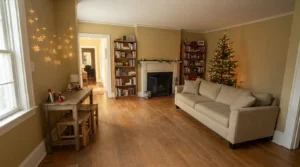
Five small room tricks cost nothing: push the sofa flat against a wall, swap the tree for a slimmer one, hang lights on the wall instead of standing a lamp in the corner, tuck stools under a table until needed and store one large piece for the season. Each one gives back a foot or more of clear floor space without any shopping.
Work down the list and pause once the pathway feels open. Rearranging furniture in a small room is mostly about taking things away. Give the freed corner a purpose such as a gift shelf or a coat rack so it does not fill up again. Check the result against your paper plan and update it so next year starts from a layout that already works.
2026 Pick: The Tape-and-Paper Plan
For 2026, the simplest method is a paper floor plan backed by painter’s tape on the real floor. Draw the plan first and tape the footprints and the pathway second. Walk the taped route with your arms full. Whatever you trip on or squeeze past is what the plan needs to change before you move any real furniture. Expect it to take about an hour.
The method works because it moves the mistakes to the cheap stage. Paper and tape can be redrawn in a minute while a sofa takes two people and a sore back. Keep the finished plan in the decor box. Next December you will lay the tape and be done in half the time because the hard decisions are already made.
A Layout You Can Walk Through in the Dark
Begin tonight with a tape measure and a sheet of graph paper. Measure the room and the footprints and draw the plan. Then light the pathway and secure the rugs before any ornament comes out of its box. Those small first moves are how you layout holiday room space so that the party feels easy and the cleanup feels short. Everything else is decoration.
A good holiday layout is the one nobody notices. Guests move around freely and sit where they want while the room still looks festive from every angle. Ask yourself which spot in your room is hardest to cross and start your plan there. Then share a photo of the finished space and tell us which step saved you the most time and effort. Keep the plan and the tape photo for next December too.
Frequently Asked Questions (FAQs)
How do you layout holiday room space?
To layout holiday room space, measure the room and each furniture footprint, draw a paper floor plan, keep one clear, open pathway, seat guests in small groups and give extra items a storage home.
How much space do you need between furniture for guests?
Leave enough room for a person to walk through without turning sideways. Mayo Clinic advises keeping walkways free of clutter and cords and moving coffee tables out of high-traffic areas.
Should you remove rugs for a holiday party?
Remove them or secure them. Mayo Clinic advises securing loose rugs with double-faced tape, tacks or a slip-resistant backing or removing them from your home.
How do you make a small room work for holiday guests?
Push furniture to the walls, use a slimmer tree, store one large piece and keep a single open pathway. Use a paper plan to test each change before moving anything.
What is the best way to store holiday decor during the season?
Keep empty bins under a bed or behind a door and label them by room. Mayo Clinic advises storing necessities within easy reach so everyday items stay handy.