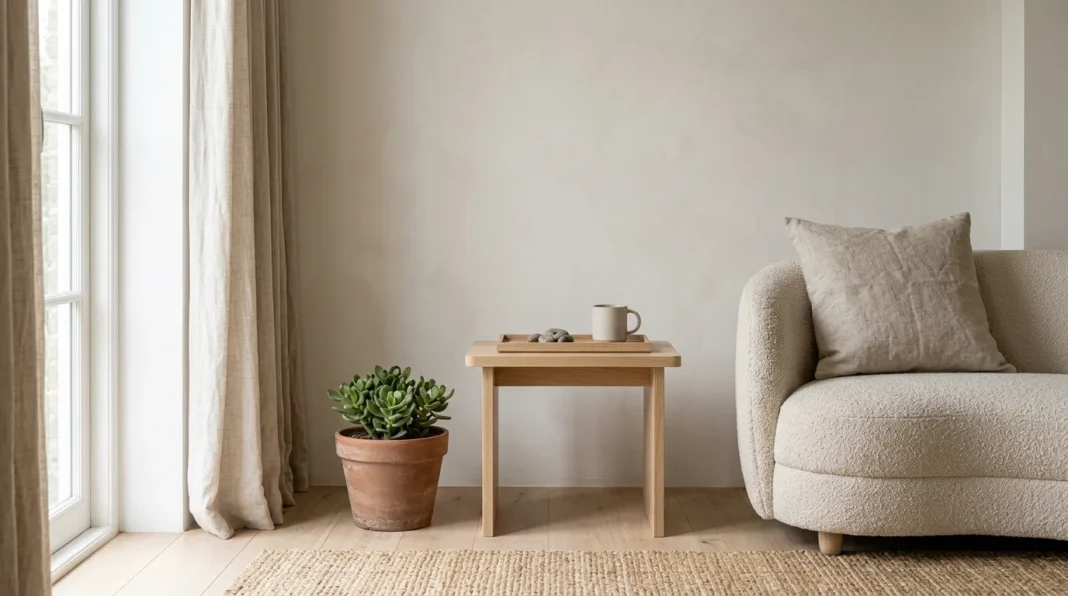
Buy Organic Room Decor From Sellers Who Name the Fiber and the Finish

The safest way to buy organic room decor is to shop at sellers who name the fiber, the wood type and the finish on every item. Seven kinds of sellers pass this test across a range of budgets and each one below carries a price estimate plus one question to ask before you pay.
Key Takeaways:
- Seven seller types, from estate sales to online makers.
- One FTC source explains why vague green words need proof.
- A full set costs $245 by our estimate.
- A 30-day return window is our 2026 pick.
A beginner can start with a $15 clay pot from a plant nursery. A confident maker can cut a board at a lumber yard for about $30. Every price here is our own estimate and no store quoted it. Check local rates before you leave home. The FTC supplies the one sourced fact set in this piece.
Seven Seller Types That Reveal What a Piece Is Made Of
Organic modern rooms lean on wood, clay, linen and jute in calm colors. The full room plan lives in the five-guide plan for an organic modern room and this page only handles the shopping. Prices run from a $15 clay pot to a $55 side table, by our estimate. Every seller below lets you see or ask about the material before you pay.
Start with the cheapest item if the process is new to you. A clay pot costs little and shows how a seller handles a material question. Move to wood and fabric once you trust the answers. Walk away from any seller who replies with a slogan. Keep each receipt in one folder for returns.
Estate Sales and Resale Shops for a Solid Wood Side Table
Resale shops and estate sales hold the cheapest solid wood side tables, about $55 for a small one, by our estimate. Check the edge and the underside first. Solid wood shows grain that wraps around the corner. Veneer shows a thin top layer over a different core. Run a hand along the underside. That surface is the least likely to be refinished (our reading).
Ask what finish sits on top. A waxed or oiled surface can be refreshed at home with a soft cloth. A film finish such as lacquer needs a full strip before any change. A seller who cannot name the finish may still sell a sound table. Offer less in that case. You inherit the unknown.
Weekend Craft Markets for a Hand-Thrown Bowl
A weekend craft market lets you meet the potter behind a hand-thrown bowl. Budget about $30 for a medium one, by our estimate. Ask which clay the potter used. Stoneware is fired hotter than earthenware and holds water better. Earthenware stays porous unless it is glazed. Ask about the glaze on the inside before you carry the bowl to a table with fruit.
Prefer a bowl with an unglazed outer wall and a glazed inside. The raw clay shows its true color. Ask the potter whether the glaze is food-safe. A decor bowl needs no such label but a fruit bowl does. Run a finger around the rim to find chips before you pay.
Fabric Shops That Sell Linen by the Yard
A fabric shop sells linen by the yard, with the fiber content usually printed on the bolt end. Budget about $25 for a cushion-sized cut, by our estimate. Linen comes from the flax plant. A bolt marked linen blend holds a second fiber such as cotton or rayon. Ask for the percentage before the shop cuts the cloth.
Wash a small swatch before you sew anything. Linen can shrink in a hot first wash. Buy a little extra length for that reason. A shop will often cut a sample swatch for a small fee or none (our reading). Hold the swatch to a window to judge the weave. A tight weave hangs heavier than a loose one.
Lumber Yards That Cut Raw Boards to Size
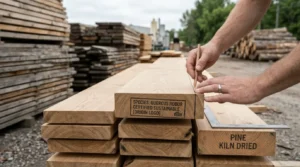
A lumber yard sells raw boards cut to your size, about $30 for a short oak or pine shelf board, by our estimate. Yards label boards by species. Oak is hard and dense. Pine is soft and dents easily. Ask for a board with a flat face and no cup. A cupped board rocks on a table like a shallow dish.
Seal the board yourself with a plain oil or wax. You then know every product on the surface. Ask the yard whether the board was kiln-dried because a wet board can warp after the trip home. Kiln drying is a standard step for indoor lumber (our reading). Carry the board flat in the car to avoid a bend.
Plant Nurseries With Unglazed Terracotta Pots
A plant nursery sells unglazed terracotta pots, about $15 for a large one, by our estimate. Terracotta is plain fired clay with a warm reddish color. The raw surface is porous. Water can seep through it. Set the pot on a saucer to protect a wood shelf. A pot used indoors also needs a drainage plan.
Choose a pot with an even color and no cracks. A thin crack widens with every frost, so skip it for outdoor use. Wheel-thrown pots show faint ridges inside. Molded pots look smoother. Ask the nursery which type it stocks. Note the answer for later orders. Terracotta chips easily in transit, so ask for newspaper wrap.
Online Makers Who List the Material and the Finish
An online maker can list the fiber, the wood type and the finish on one page. A jute runner costs about $50 by our estimate. Jute is a coarse plant fiber taken from the stem of the Corchorus plant. Test a sample against bare feet before you order a long runner. The FTC press release on the revised Green Guides explains why a vague green label needs proof. The table below details green marketing claim guidelines established by FTC specialists.
| Number & Insight | Source | Expert/Team |
|---|---|---|
| The FTC first issued its Green Guides in 1992. | Federal Trade Commission | Federal Trade Commission |
| The Guides were revised in 1996 and 1998. | Federal Trade Commission | Federal Trade Commission |
| The 2012 revision added new sections on non-toxic claims and made-with-renewable-materials claims. | Federal Trade Commission | Federal Trade Commission |
| Certifications and seals of approval may be treated as endorsements. | Federal Trade Commission | Federal Trade Commission |
| The Guides do not address the terms sustainable, natural,l or organic. | Federal Trade Commission | Federal Trade Commission |
The FTC page sends organic claims on textiles to the USDA National Organic Program. So ask the seller of an organic jute runner for the certificate behind the word. A maker with one can send a copy by email. A maker without one should say so plainly. Buy elsewhere if the answer is a slogan.
Home-Goods Chains With a Natural Line and a Clear Tag
A home-goods chain sells a sealed wood tray for about $40, by our estimate. Chains stock the item in volume and publish a standard return policy. Read the tag for the wood species and the sealant. A tag with the single word wood is incomplete. Photograph the tag before you remove it.
Look for a country-of-origin line on the tag. A tag naming the species plus the country lets you trace a claim later. Ask staff whether the same tray ships in another finish. A lighter finish shows grain better under daylight (our reading). Compare two trays side by side near a window.
Return Window: 30 Days Is Our 2026 Pick
A 30-day return window is our pick whenever you buy organic room decor made of natural fiber. Linen and jute need a few weeks of daylight before flaws show (our reading). Policies differ by seller, so read the terms before you pay. Ask whether a return costs shipping. A free return protects a $50 runner far better than a store credit.
Keep the tag and the packaging for the full month. A cushion cover with a loose seam shows it after the first wash. Photograph a defect the day it appears. Send the photo with your request. A dated photo ends most arguments quickly (our reading). Check that the seller prints the return date on the receipt.
Wood Check at the Shop: 3 Quick Tests
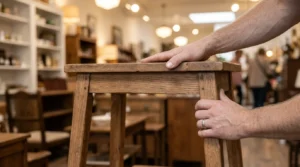
Three quick tests separate sound wood from a weak piece. First, lift it. Solid hardwood feels heavy for its size. Second, press down on a corner with both hands. Movement points to a loose joint or an uneven leg. Third, press a thumbnail into the underside. A soft dent suggests pine. A hard surface suggests oak or another hardwood.
Add a smell check as a fourth step. A strong chemical odor points to a fresh finish. Air the piece in a ventilated room before it enters a bedroom. A plain wood or wax smell is normal. Ask the seller how long ago the piece was refinished. A clear date beats a guess.
Basket Total: $245 Across All 7 Buys
The seven prices add up to $245 by our estimate, which sits $5 under a $250 cap. Buy the $15 pot first. Buy the $25 linen second. Test each one at home. Add the $30 board and the $30 bowl third. Leave the $55 table and the $50 runner for last. They carry the most risk. The $40 tray fits anywhere in the order.
A $100 version keeps four buys. They are the pot, the linen, the board and the bowl. This path lets a studio dweller buy organic room decor for $100. The table, the runner and the tray can wait for a second month. Each late buy can then use what the first four taught you about sellers.
Let the Seller’s Answer Decide the Purchase
The best buy is the one where the seller answers the material question in one clear sentence. A potter can do it from memory. A lumber yard clerk can do it from the board stamp. A chain can do it if the tag is complete. A slogan alone is a reason to leave the item on the shelf. A plain answer earns trust and repeat visits. A shrug earns neither.
Careful buying spreads the cost across several months. It also lets each piece prove itself before the next one arrives. A room built this way holds only objects you can name. The names matter later when a seam fails. Which of the seven sellers will you visit first? Leave your pick in a comment and send this list to a friend who is furnishing a new place.
Frequently Asked Questions (FAQs)
Where can you buy organic room decor?
You can buy organic room decor at estate sales, craft markets, fabric shops, lumber yards, plant nurseries, online makers and home-goods chains. Plant nurseries and fabric shops exist in most towns (our reading). Distance matters less than the seller’s willingness to name the material. Call ahead and ask the three material questions before you drive.
Is secondhand organic room decor safe to buy?
Secondhand wood and fabric are safe to buy after a few checks. Smell the piece for mold or smoke. Look for black spots in corners and seams. Wash all fabric before it touches a sofa. Treat chipped paint on an older piece with caution and use a lead test kit before you keep it.
How do you care for organic room decor?
Follow the care tag first. Wipe sealed wood with a barely damp cloth and dry it at once. Brush dust from unglazed terracotta with a dry brush. Wash linen in cool water and air it flat. Keep jute away from damp floors because the fiber holds moisture.
How do you buy organic room decor online without touching it?
Request a daylight photo showing the grain or the weave. Ask for exact dimensions in inches. Ask whether a fabric swatch is available. Read the return terms before payment. Message the seller one material question. Judge the speed and the detail of the reply.
Can renters use organic room decor without damaging floors?
Renters can use every item here without drilling. Add felt pads under wood legs. Place a saucer under each terracotta pot. Lay a thin rug pad under a jute runner. Lift furniture when you move it to avoid scratches on the floor.